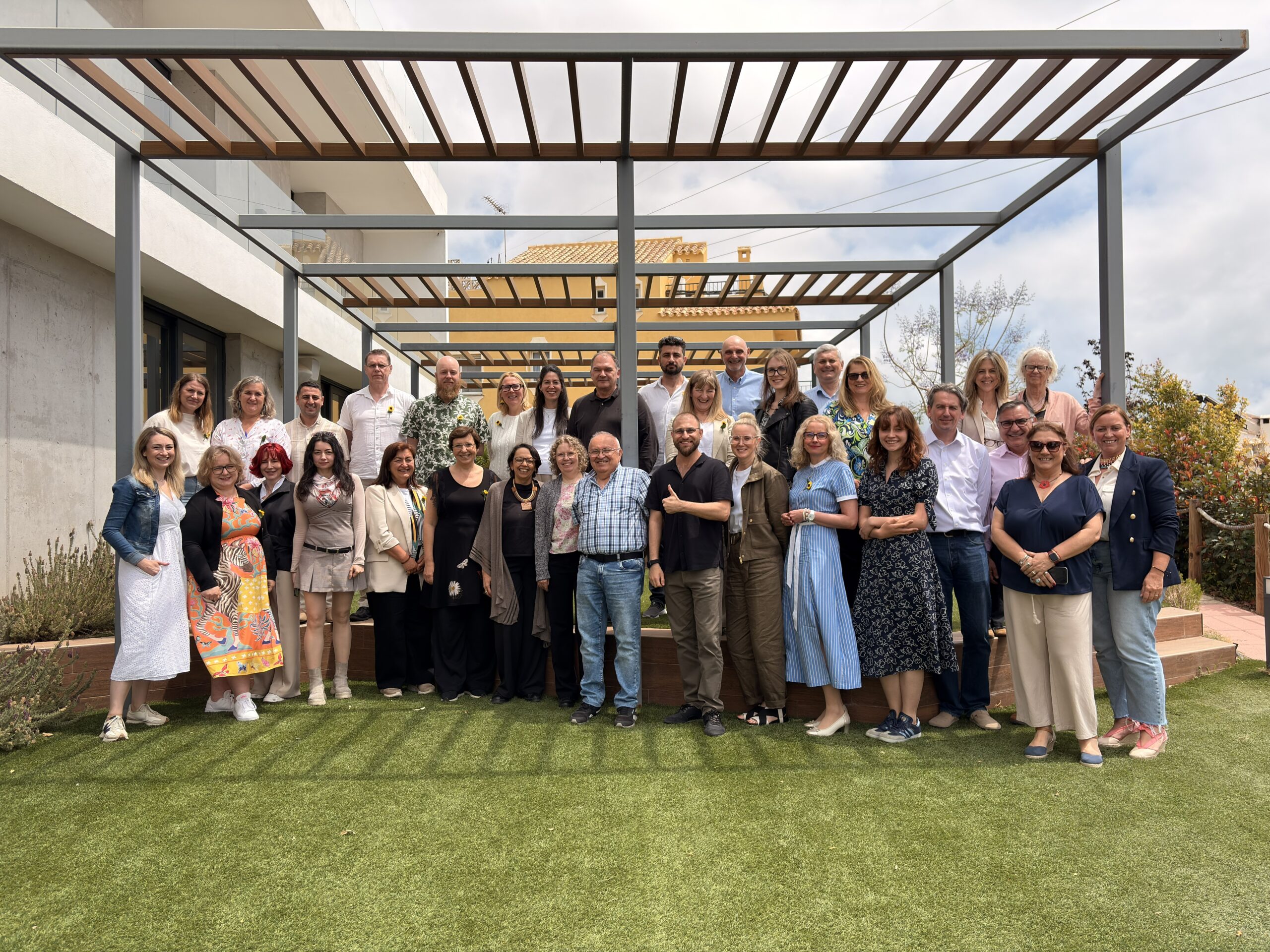
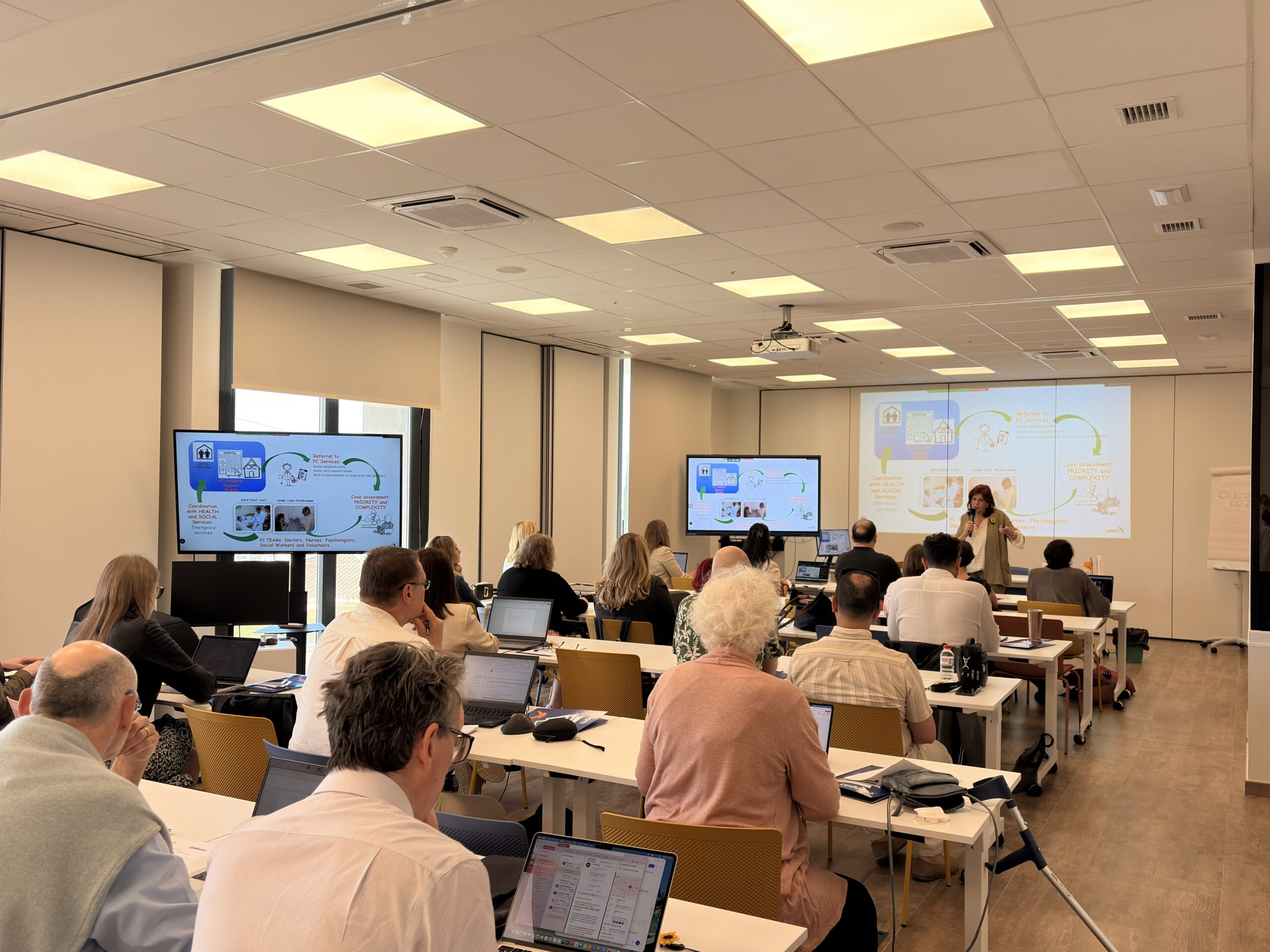
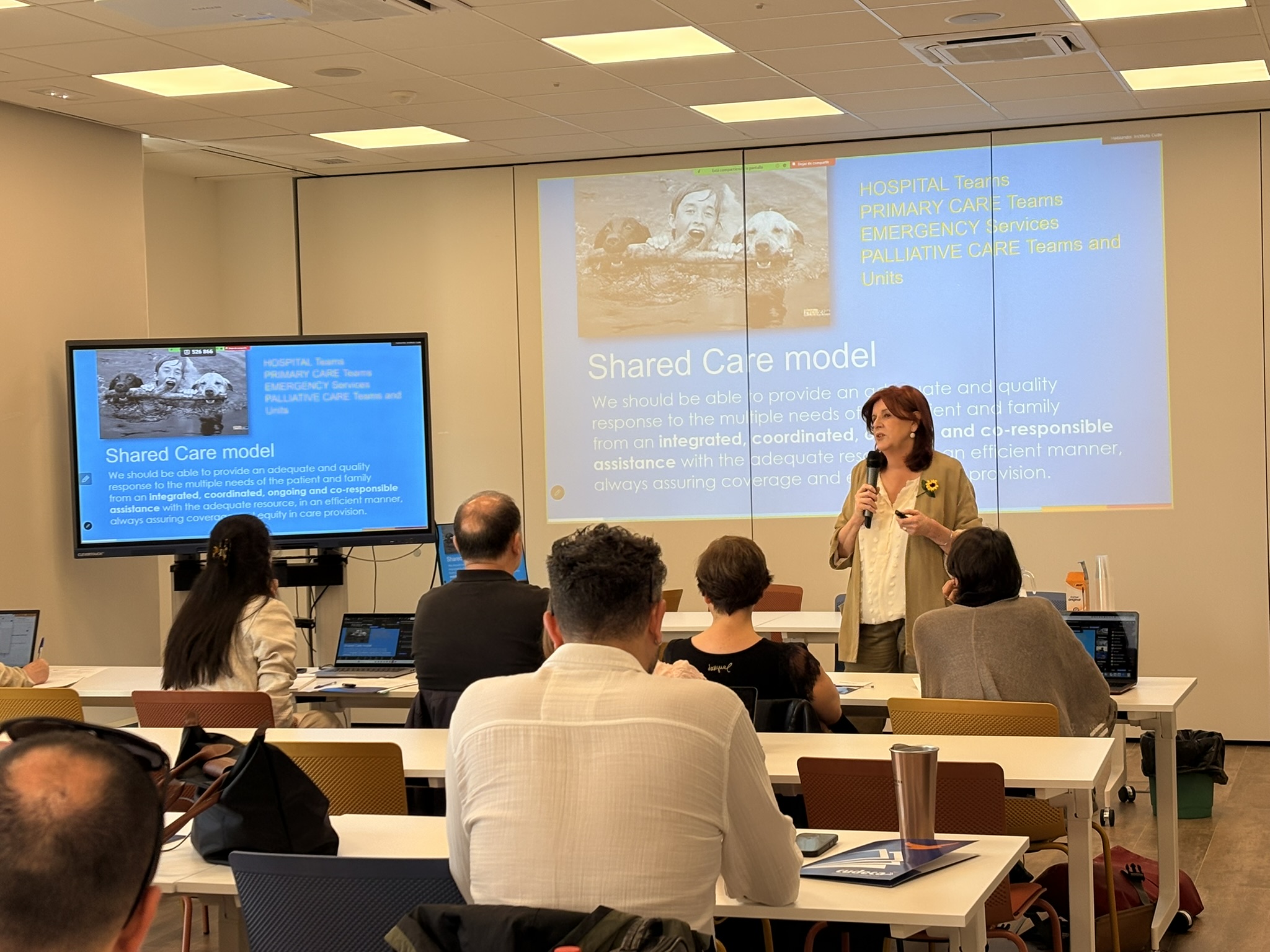
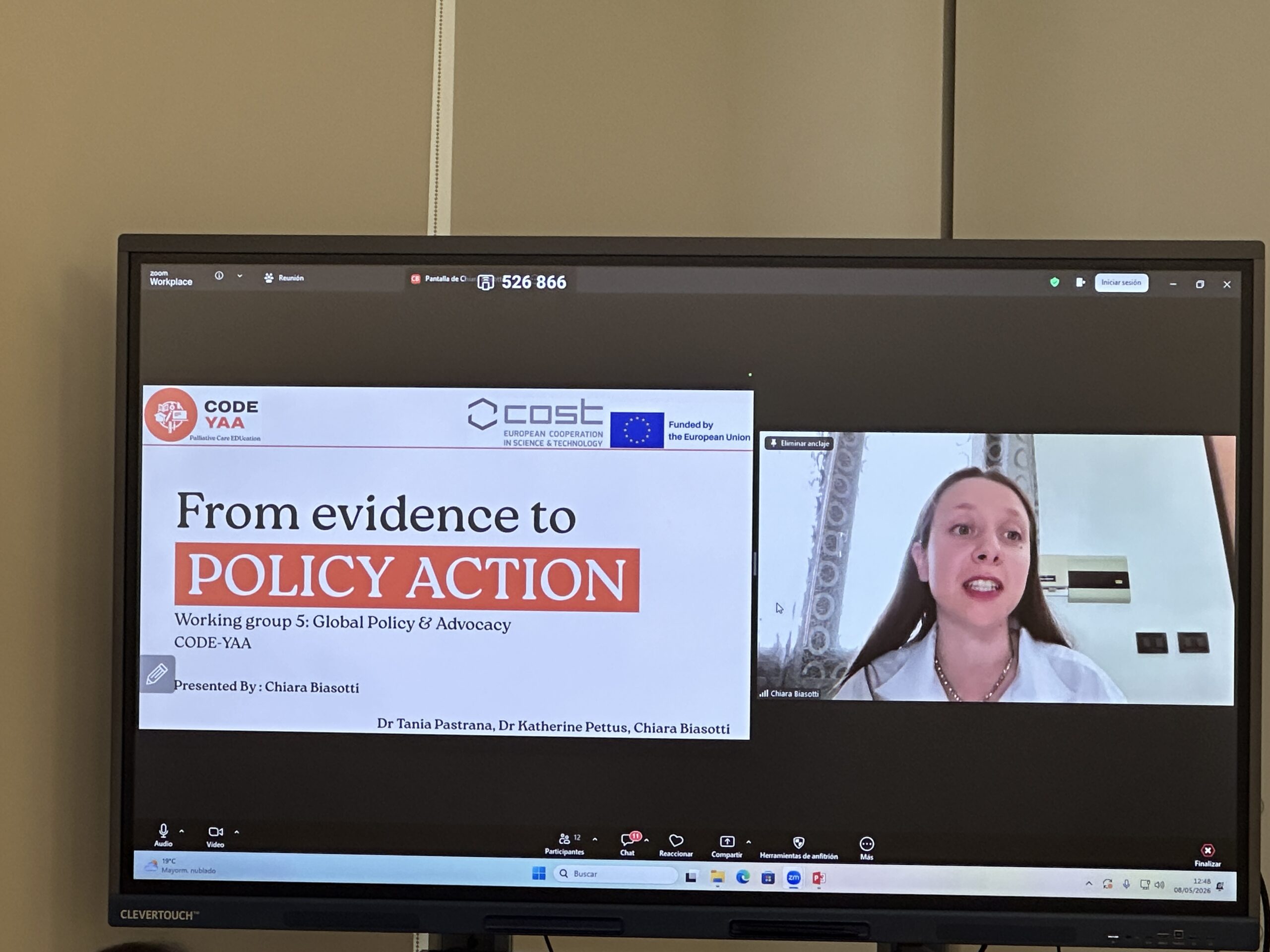
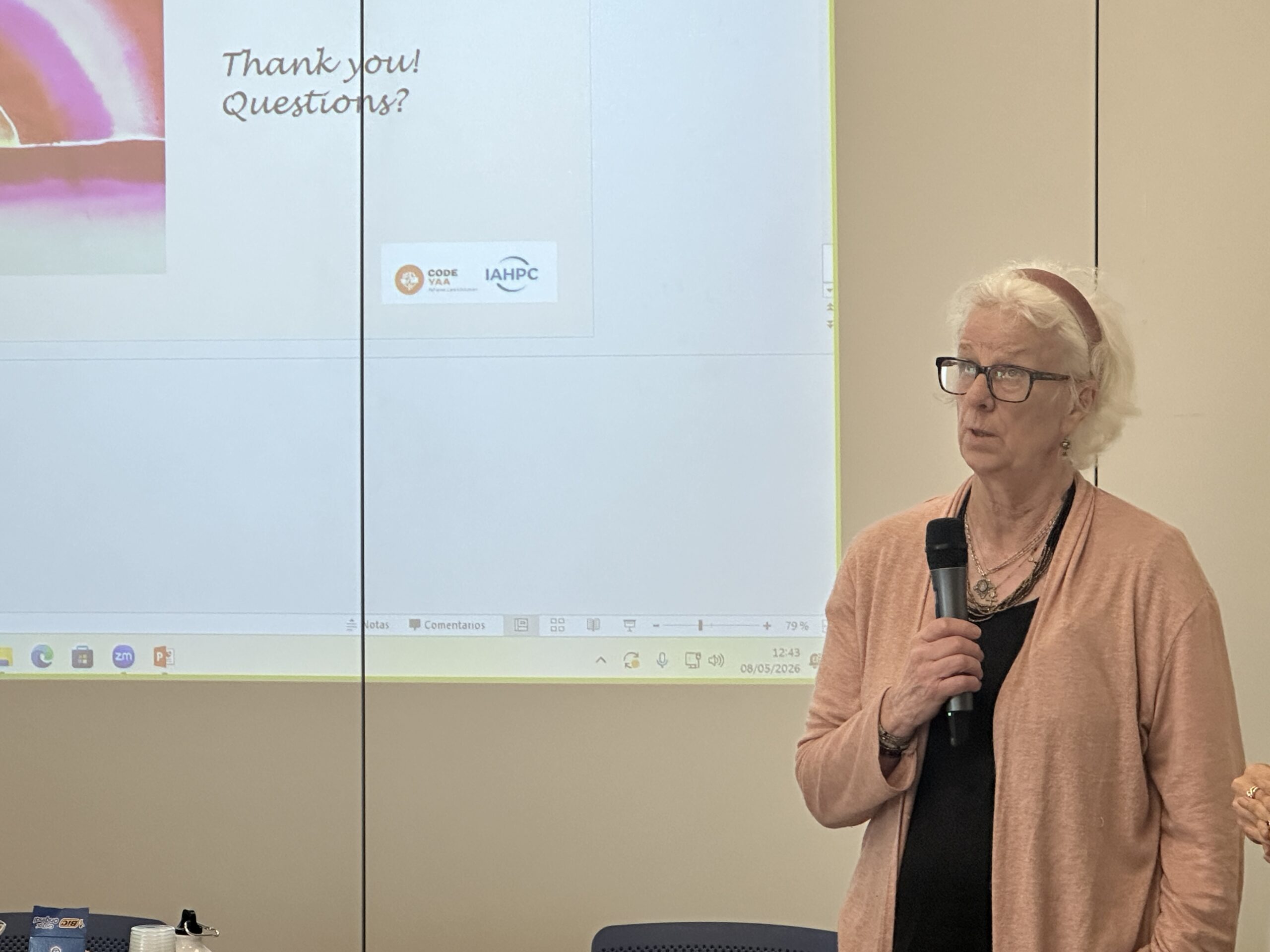
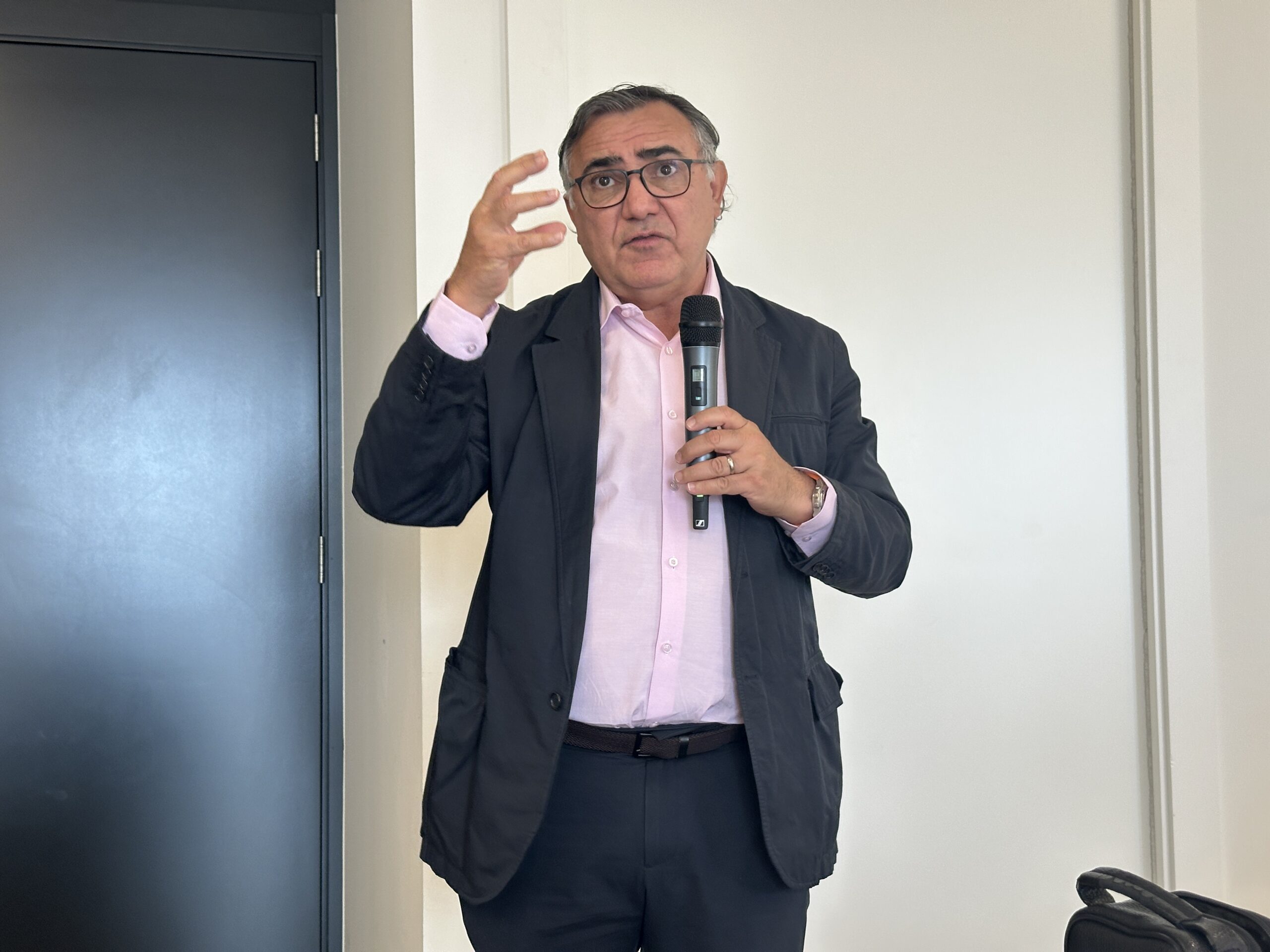
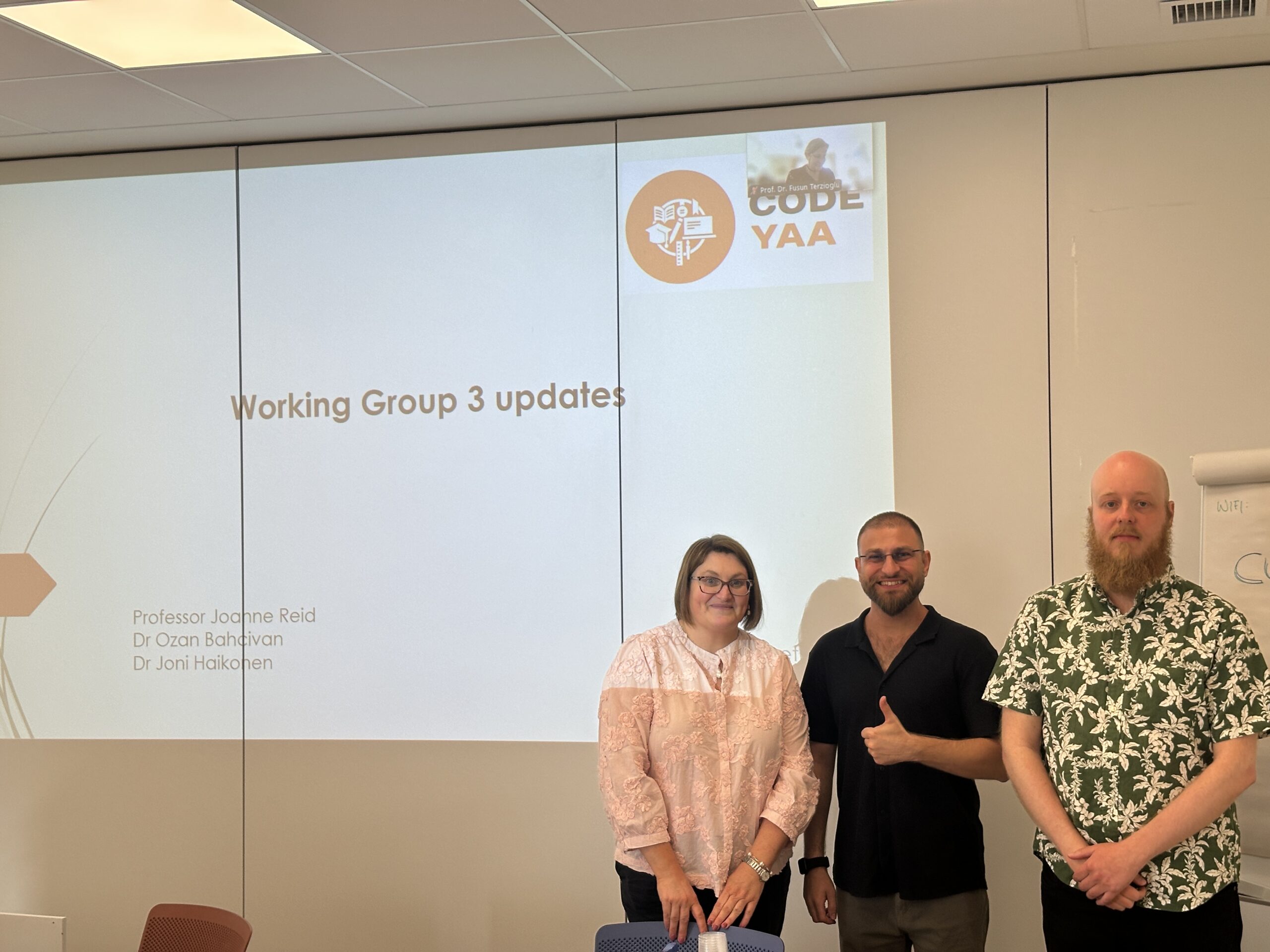
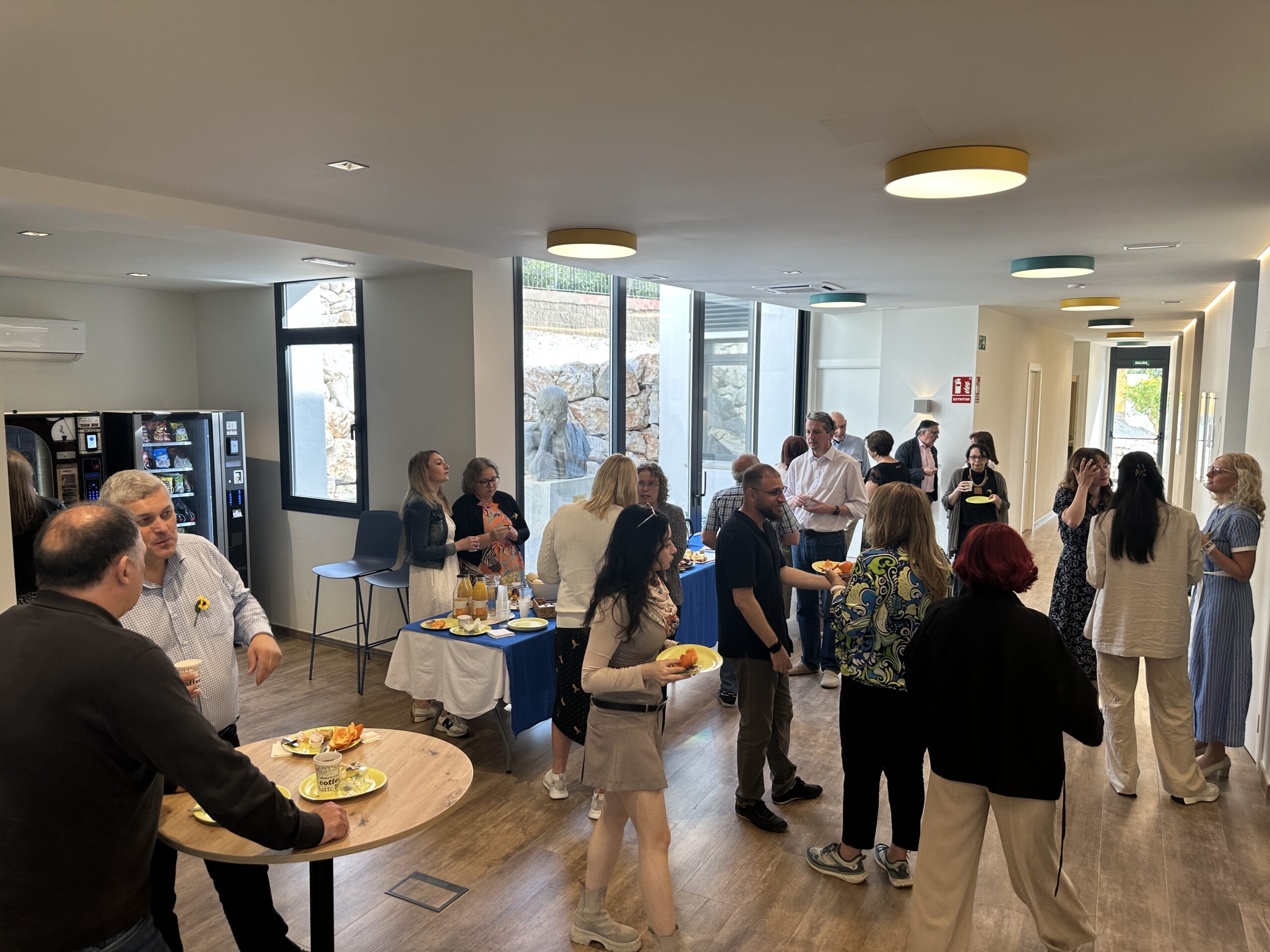
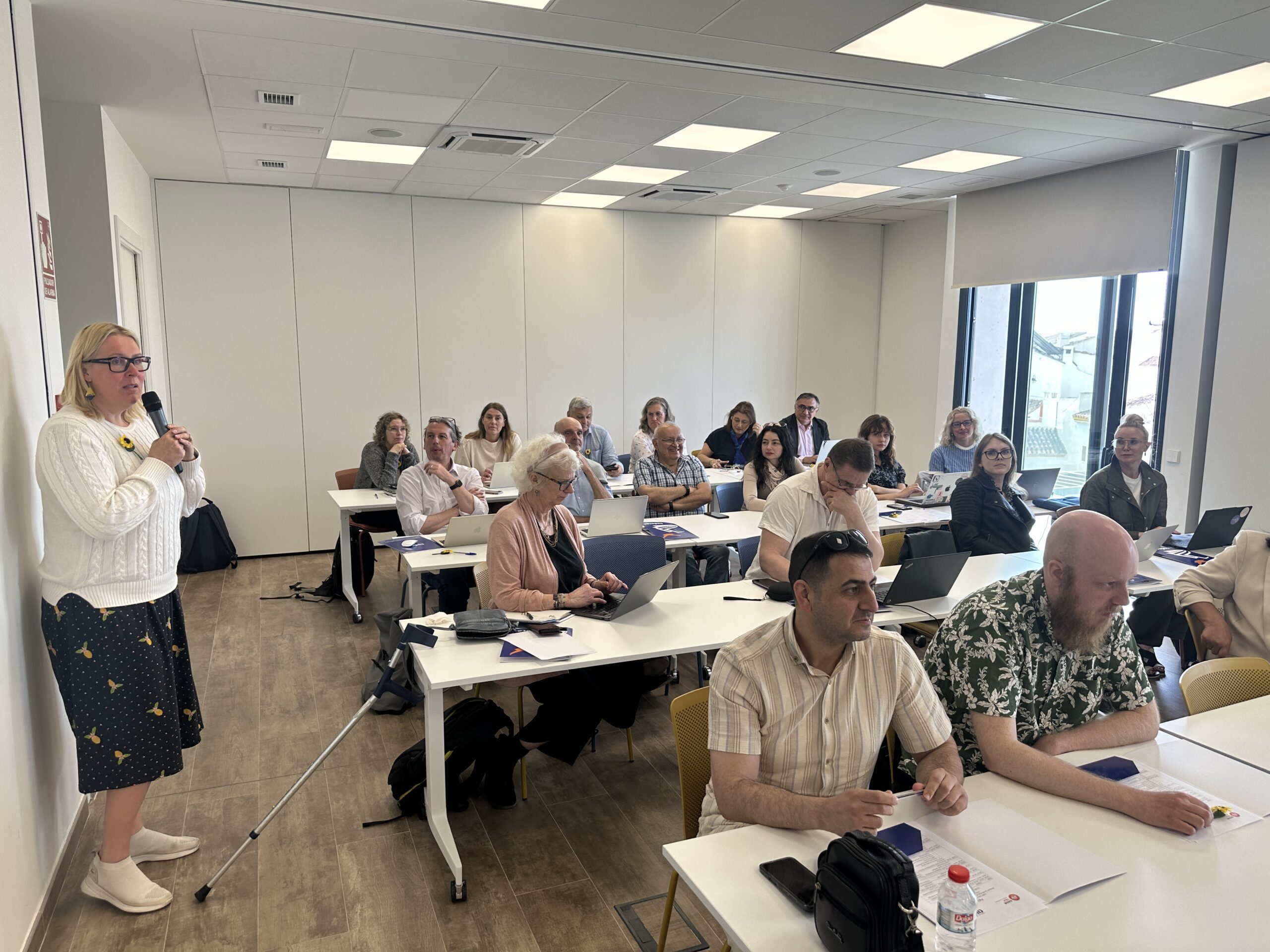
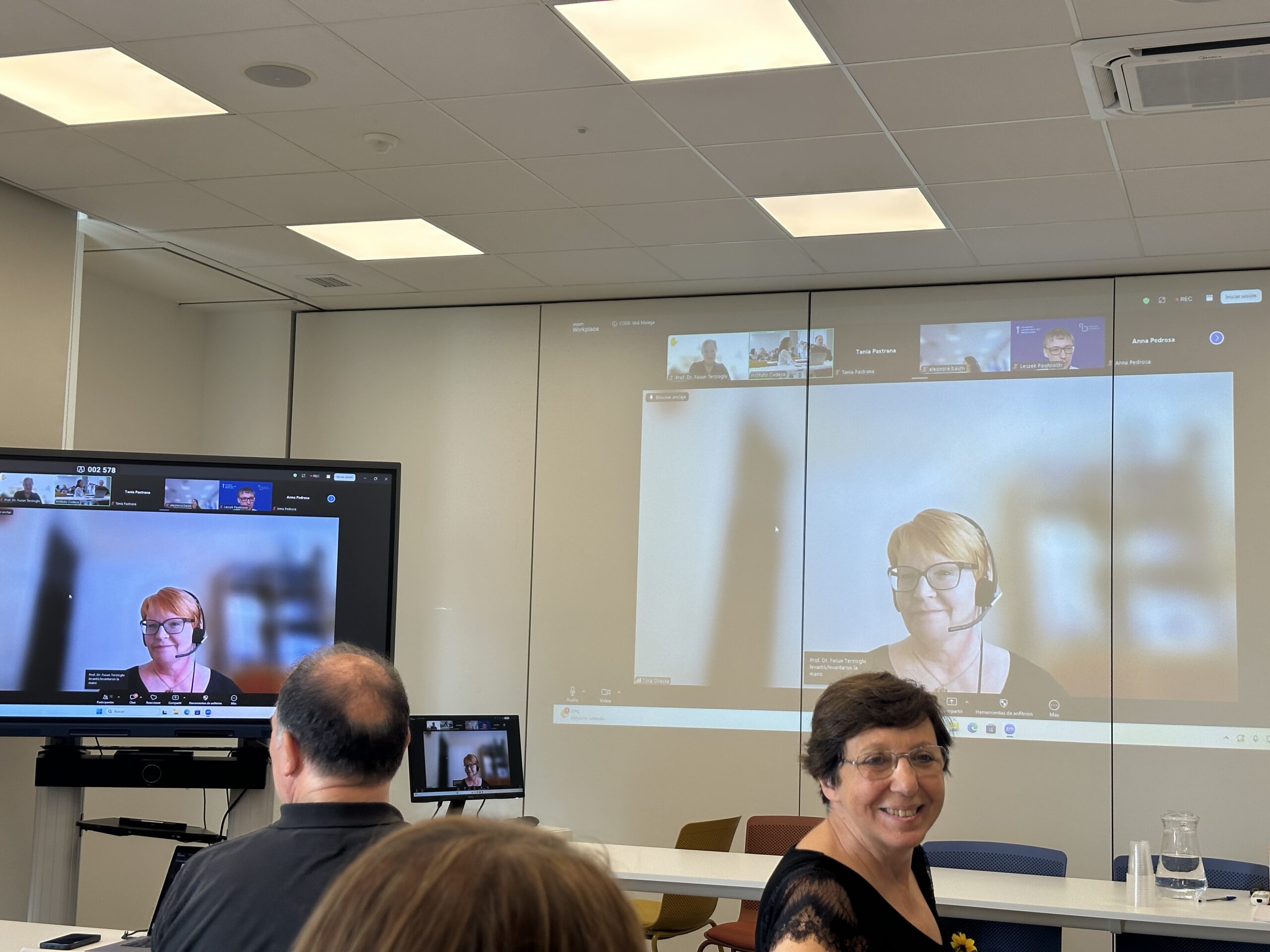
The CODE-YAA Malaga meeting was successfully held in Málaga, Spain, bringing together COST Action members in a productive hybrid format to advance the next phase of the CODE-YAA@PC-EDU project.
The meeting created an important space for coordination among working groups and helped strengthen the Action’s shared commitment to improving palliative care education across Europe and beyond. Throughout the day, participants focused on research coordination, policy action, stakeholder engagement, communication, and dissemination.
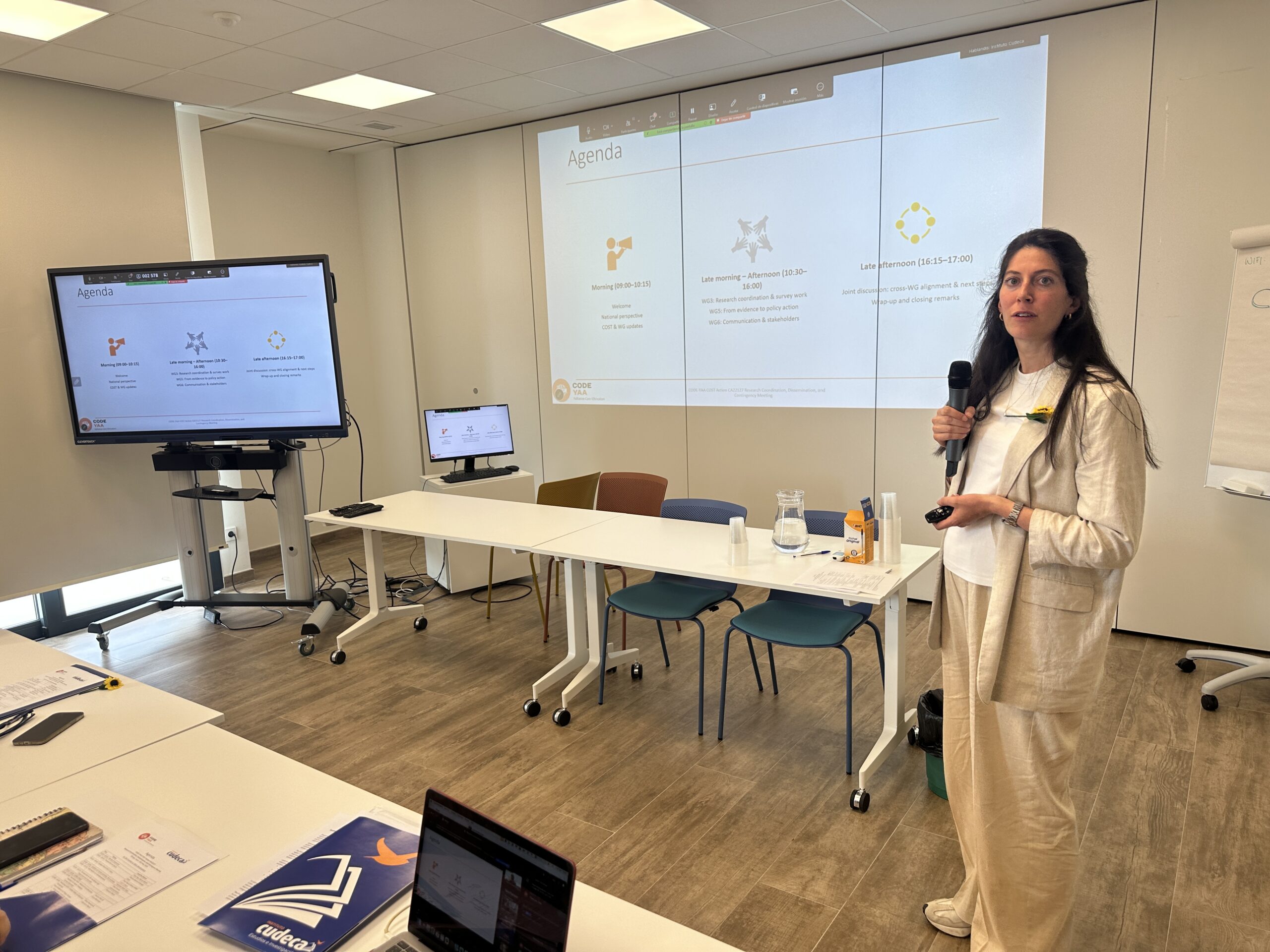
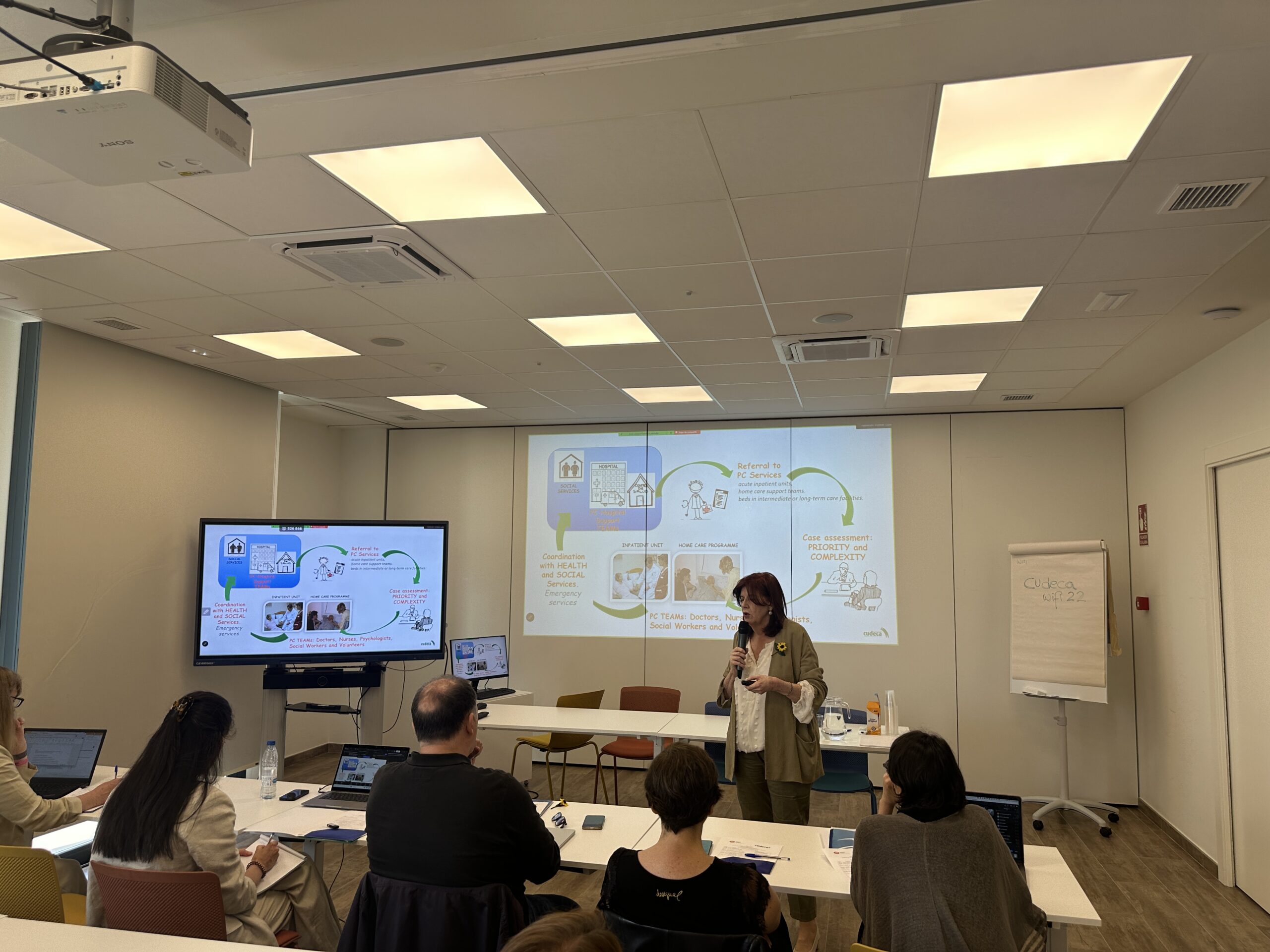
The programme opened with words of welcome, followed by a presentation from the Málaga team, including a perspective on Spain and Cudeca. COST Chairs then provided updates on the overall progress of the Action, while recent activities and working group developments were also presented.
A key part of the CODE-YAA Malaga meeting was the series of interactive workshops designed to support the implementation and visibility of the Action’s outcomes. The first workshop, led by WG3: Research Coordination, Methods & Impact Analysis, focused on the survey overview and provided participants with an opportunity to discuss methodological progress and future steps.
The second workshop, “From Evidence to Policy Action,” was coordinated by WG5: Global Policy & Advocacy. This session included a short input on using policy briefs for advocacy and an interactive review of the draft policy brief. Participants discussed how the results of the Action can be translated into meaningful policy messages and advocacy tools.
In the afternoon, WG6: Communication & Dissemination led the third workshop on mapping stakeholders in palliative care education. This session supported the identification of relevant audiences, institutions, and partners who can contribute to the dissemination, uptake, and long-term impact of the CODE-YAA outcomes.
The day concluded with a joint discussion focusing on cross-working group coordination and next steps. Participants reflected on the progress achieved during the meeting and identified priorities for future collaboration.
The successful completion of the CODE-YAA Malaga meeting marks another important milestone for the Action. By bringing together research, policy, communication, and dissemination perspectives, the meeting contributed to the ongoing development and implementation of the CODE-YAA quality indicators for palliative care education.
The CODE-YAA@PC-EDU COST Action will continue to support collaboration among res
earchers, educators, healthcare professionals, policymakers, and stakeholders committed to improving palliative care education and training.