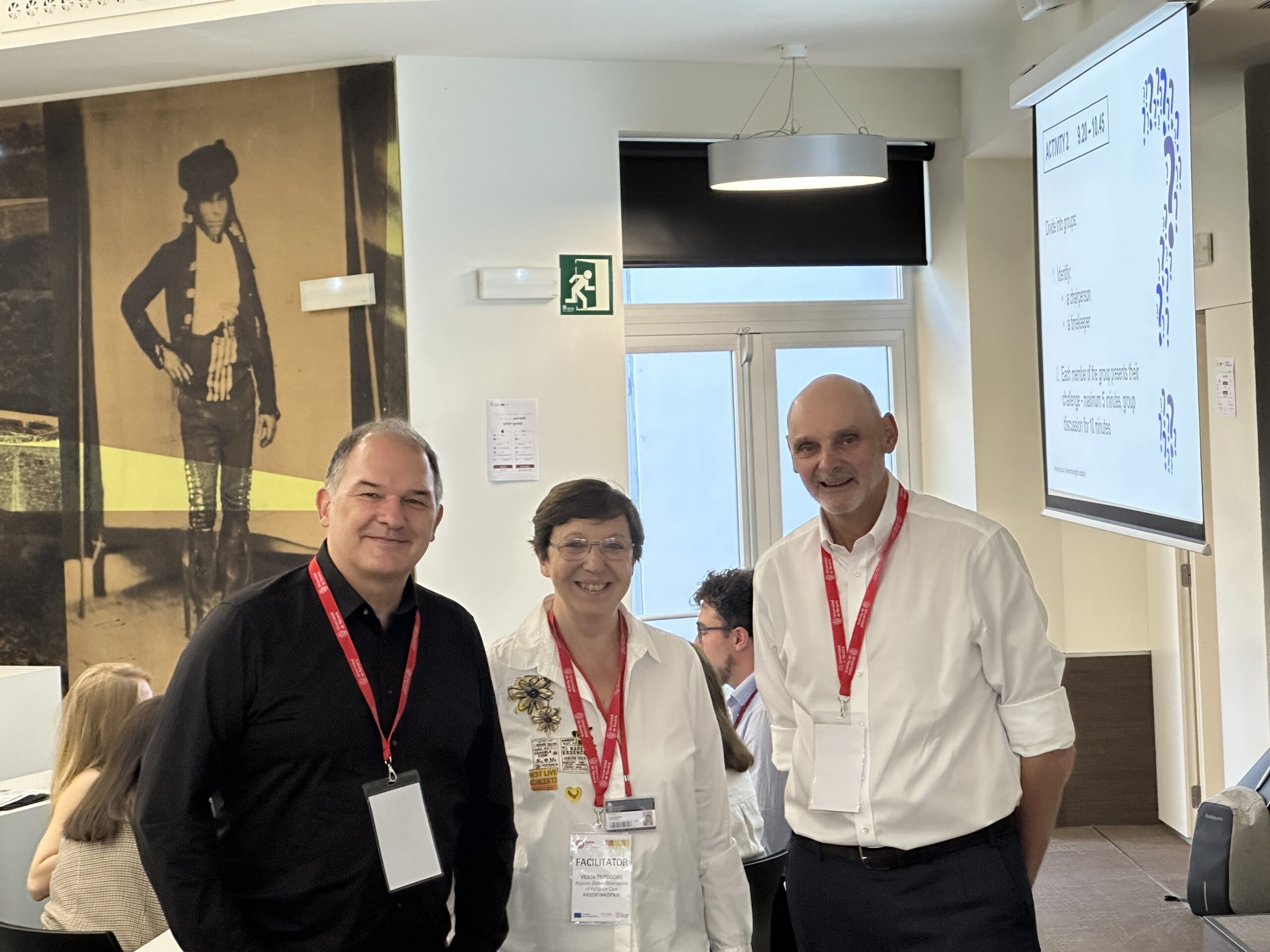
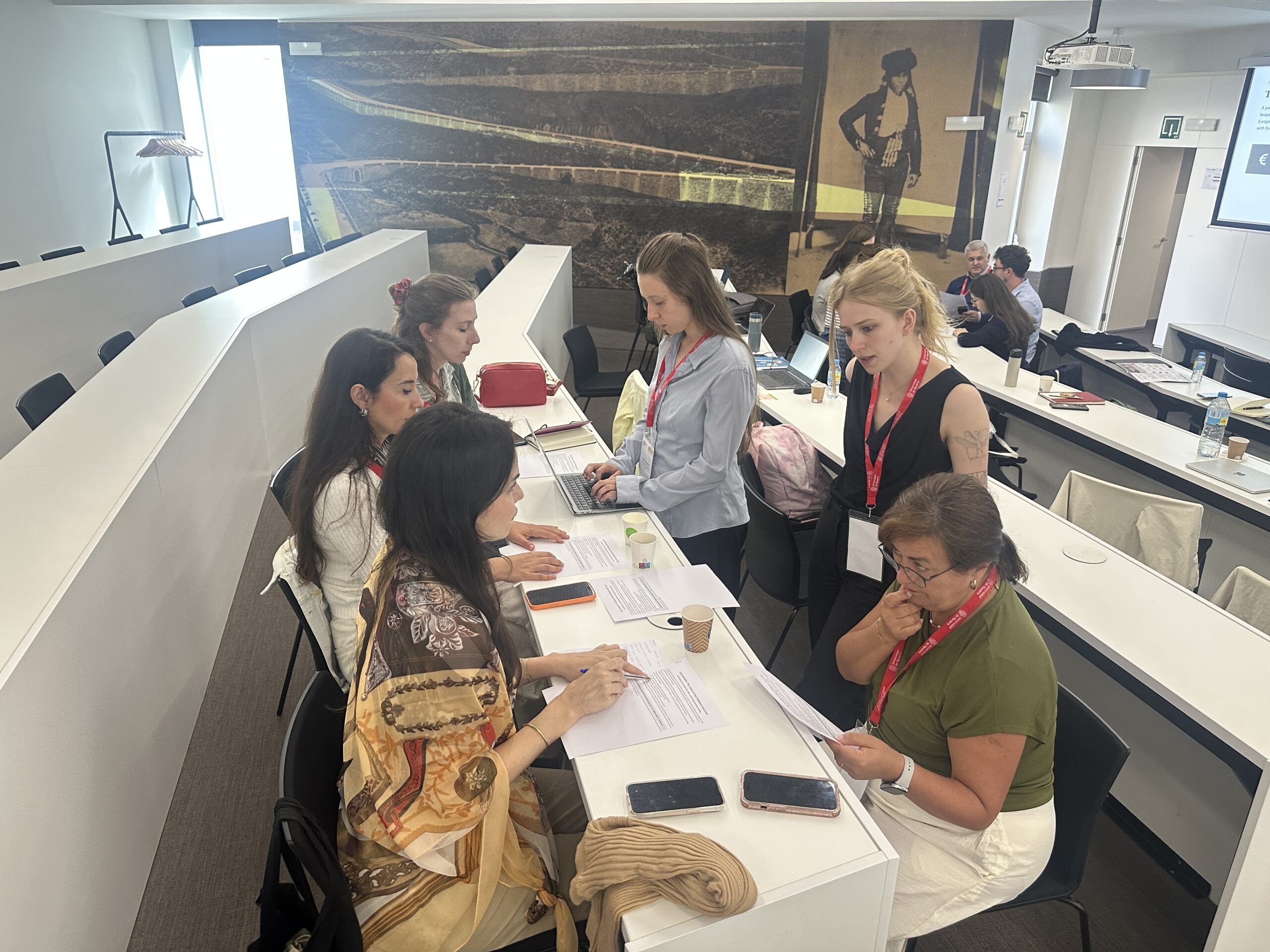
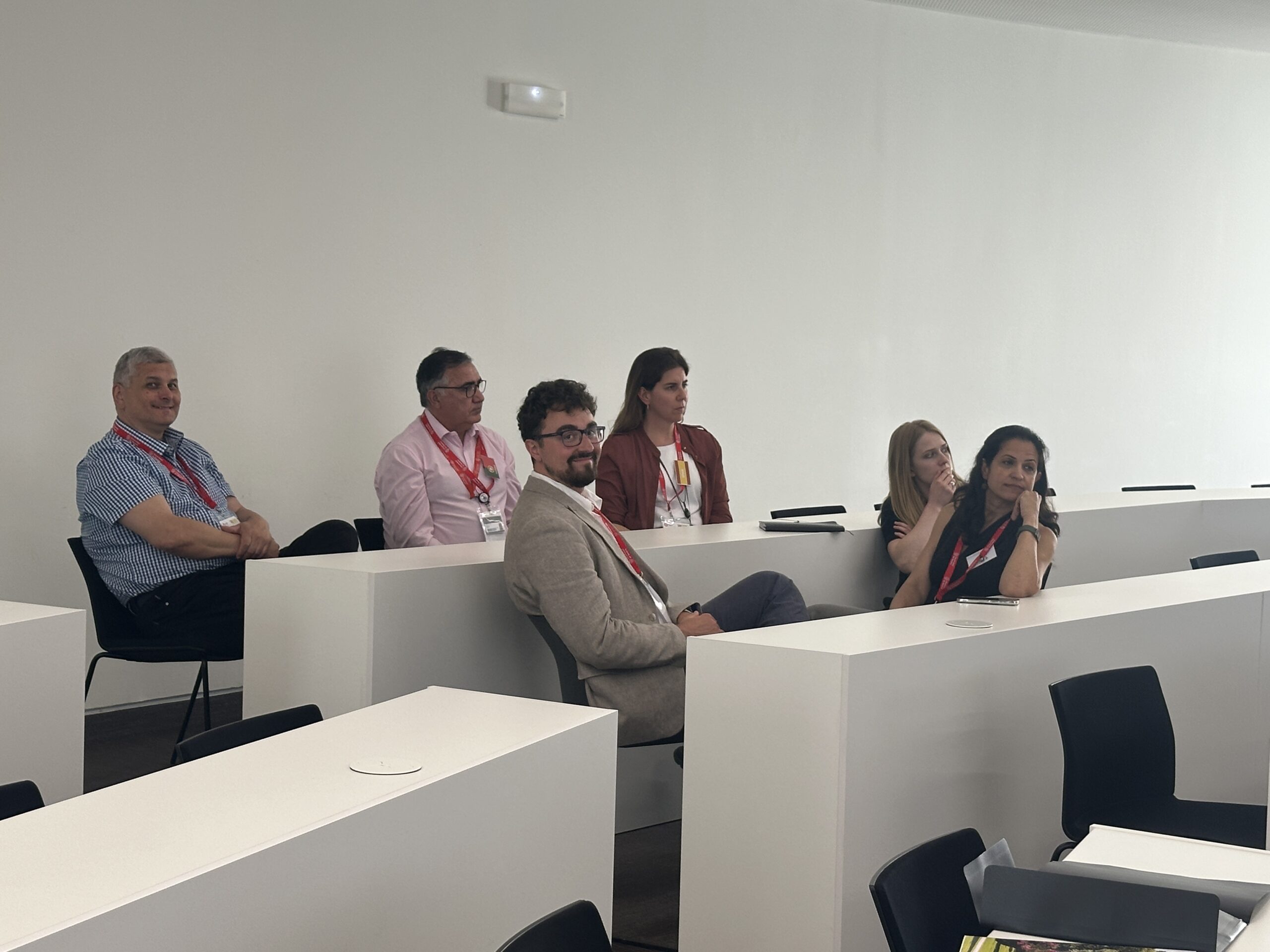
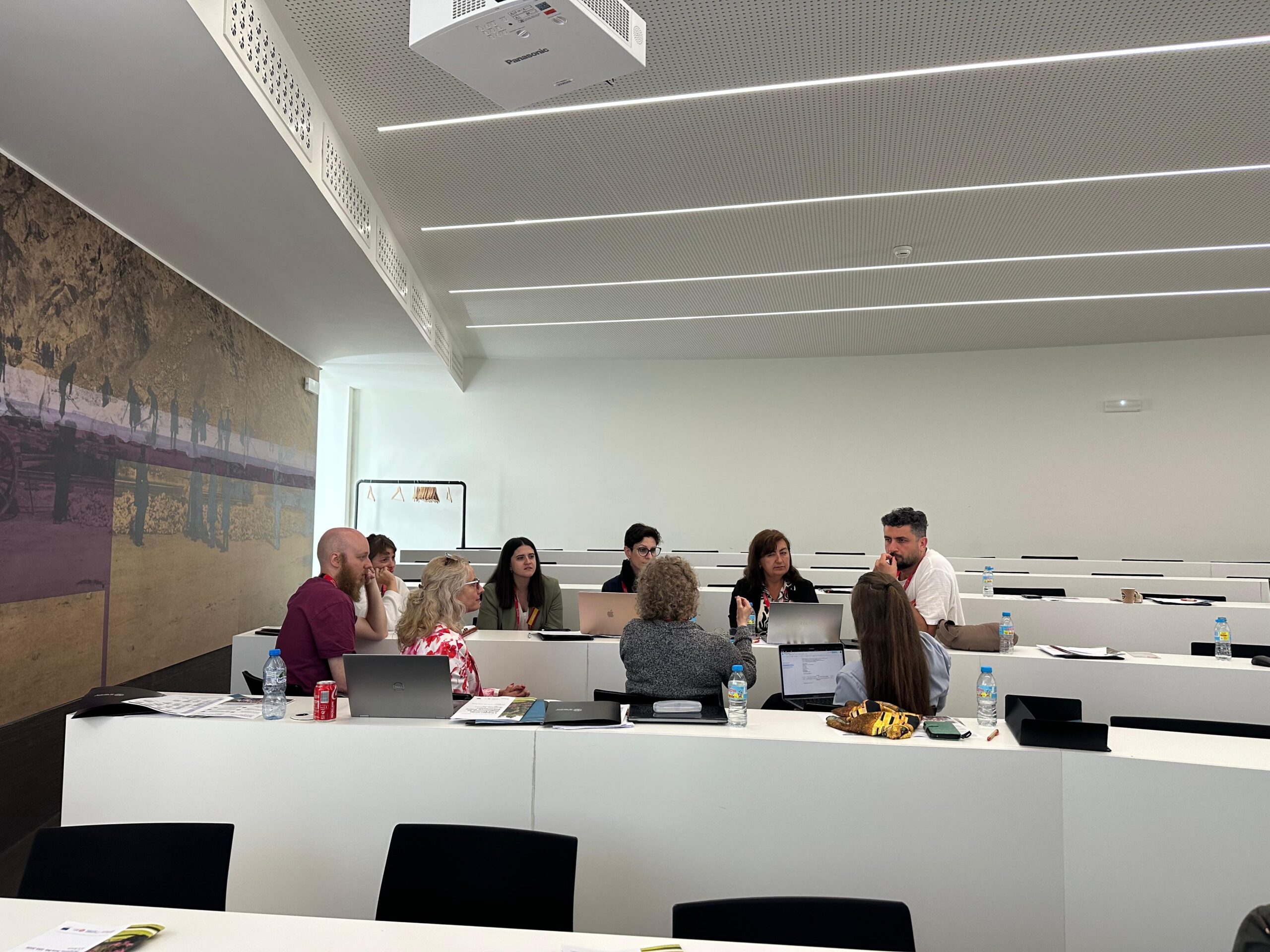
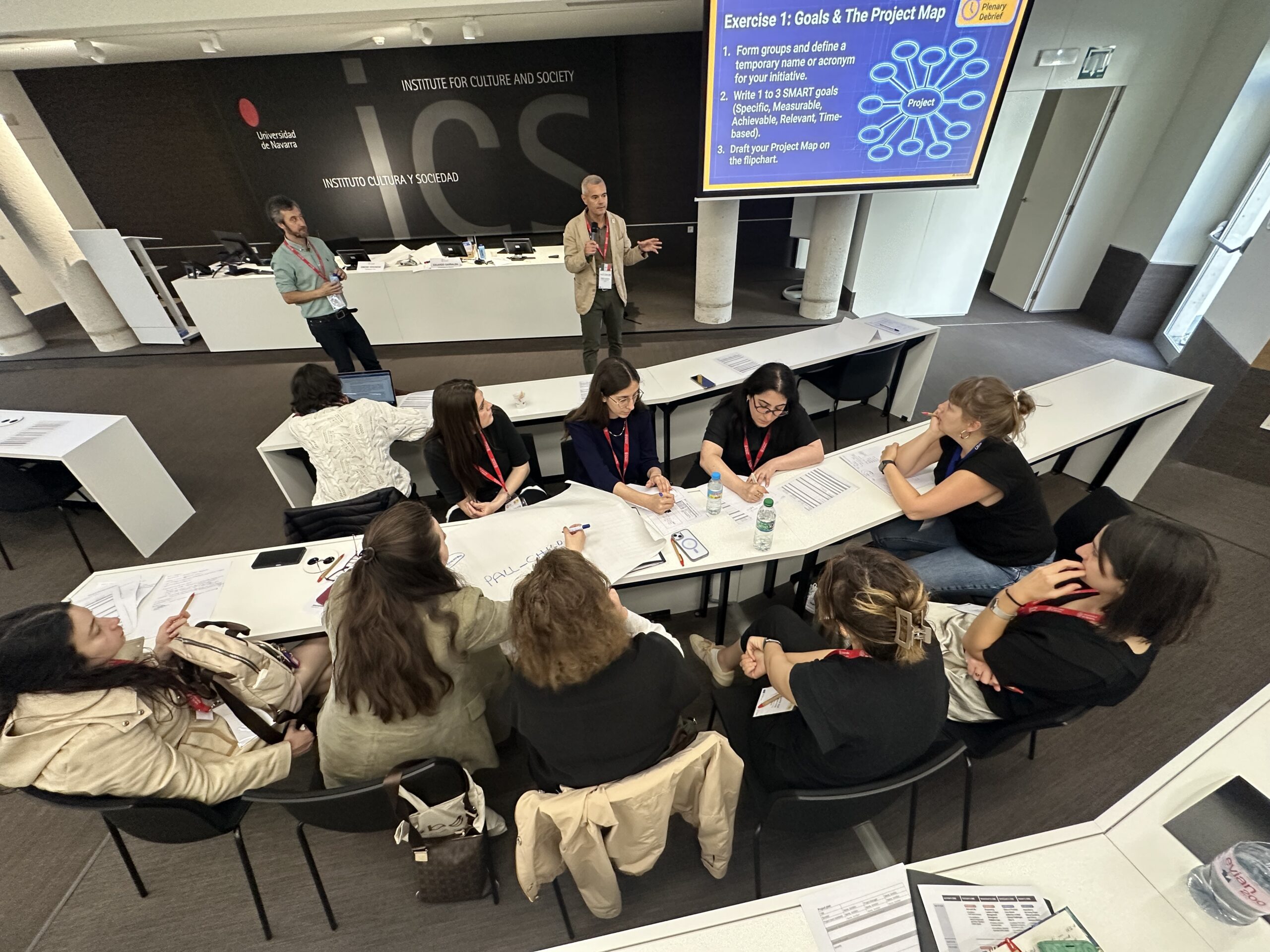
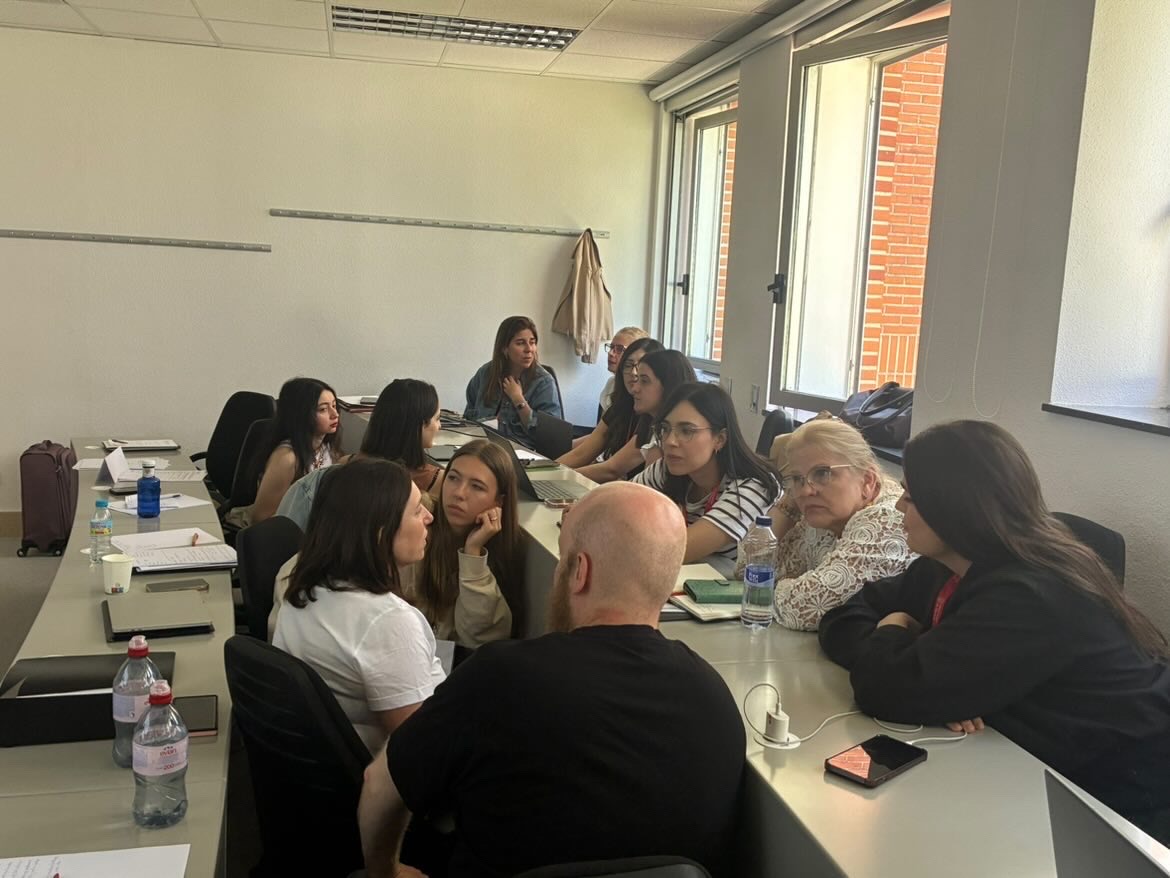
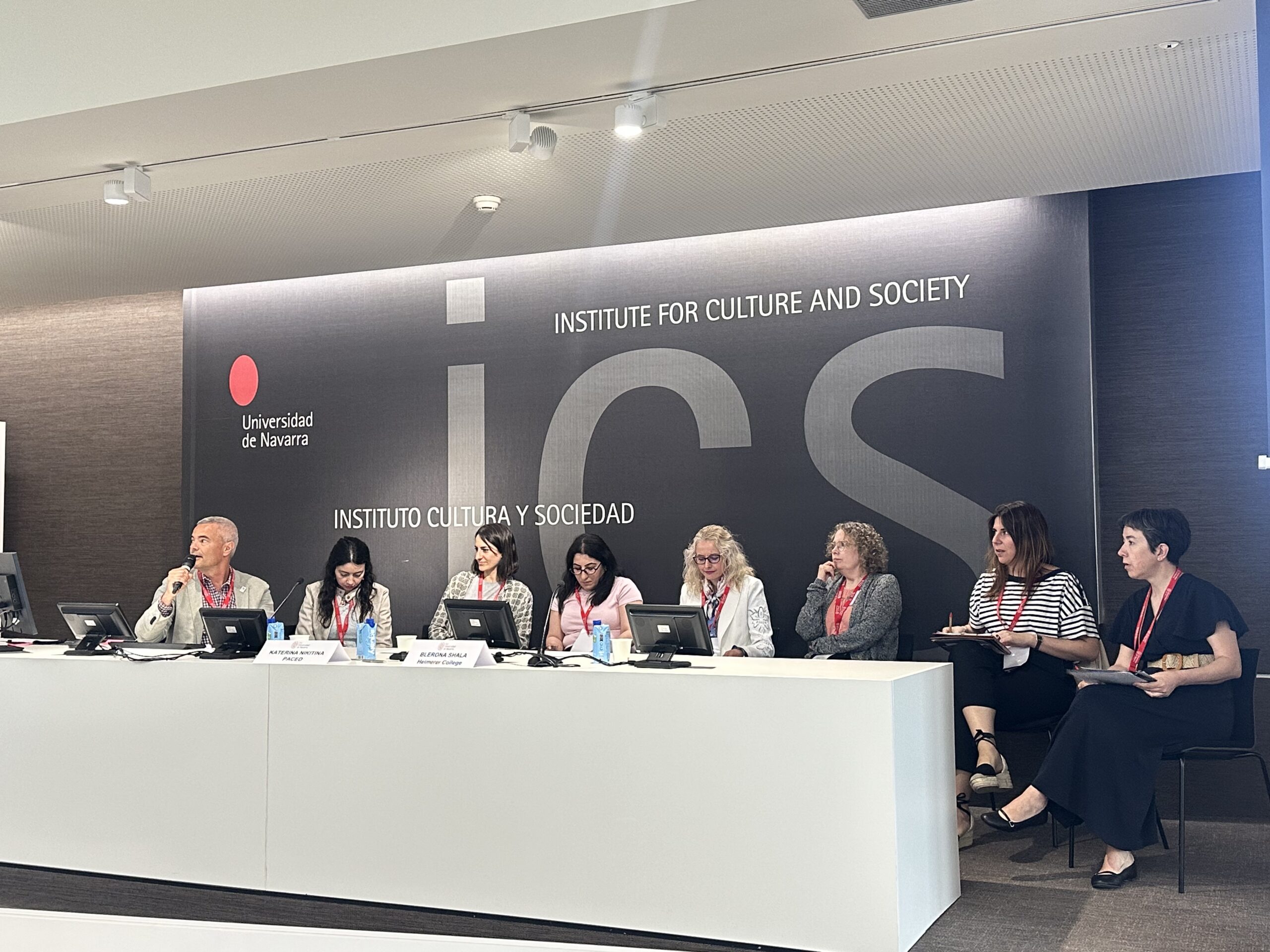
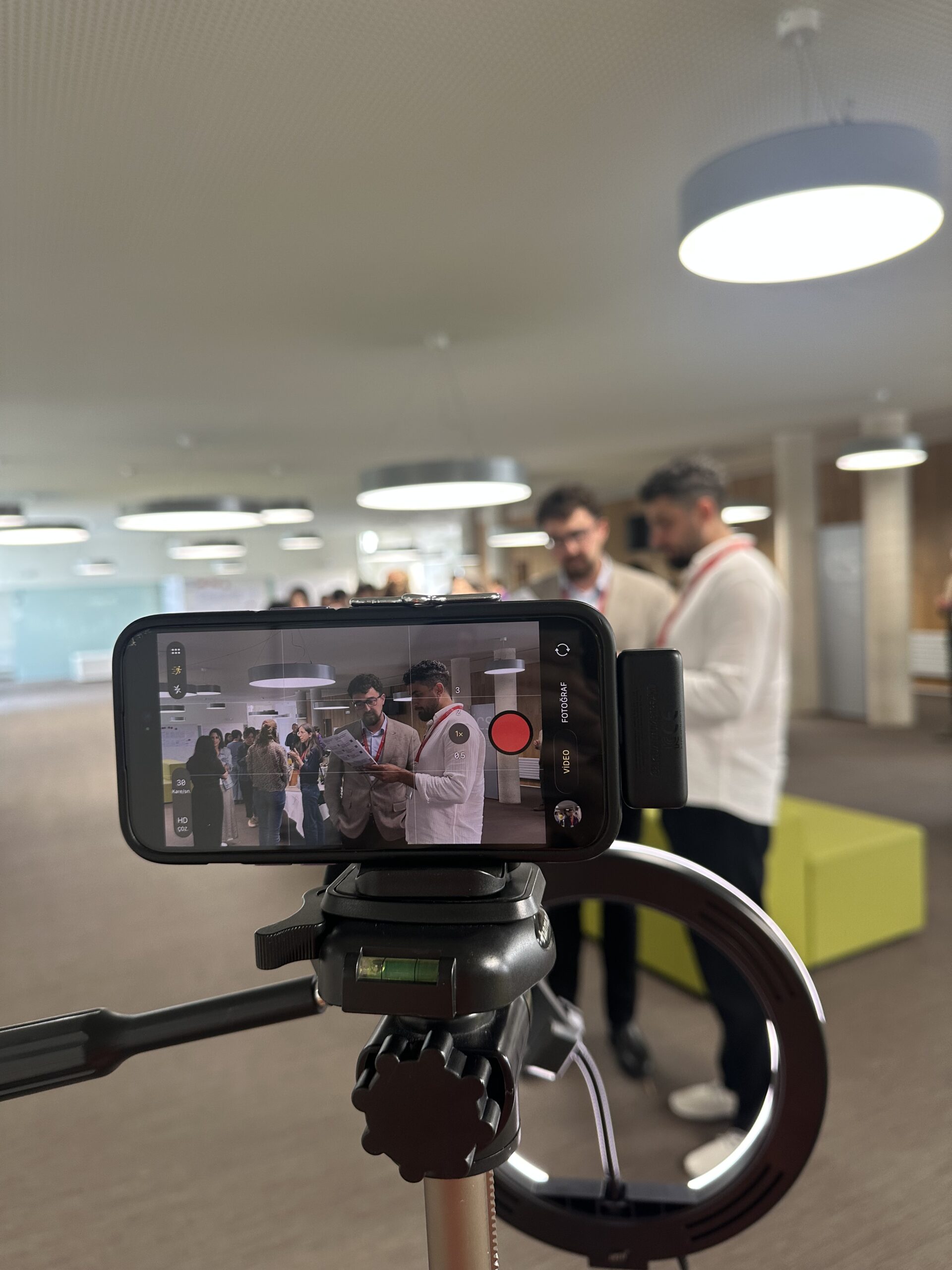
The CODE-YAA@PC-EDU Summer School 2026 was successfully completed in Pamplona, bringing together participants, educators, researchers, and facilitators for an intensive programme focused on leadership, ethics, education, communication, and quality improvement in palliative care. Throughout the Summer School, participants engaged in interactive workshops, reflective discussions, case-based activities, and group work designed to strengthen their capacity as future leaders and educators in palliative care.
CODE-YAA@PC-EDU Summer School 2026 Program is Here
The Leadership Summer School included a rich series of workshops addressing different dimensions of educational and clinical leadership. Participants explored change leadership in Workshop L1: Leading Change in Palliative Care: From Vision to Competence, curriculum development in Workshop L2: Leadership in Curriculum Design, and the healing and educational role of art in Workshop L3: Arts and Life. Further sessions focused on real-world leadership challenges in Workshop L4: Leading with Purpose, professional coping in Workshop L5: Developing Professional Coping in Palliative Care, educational innovation in Workshop L6: Design Thinking in Educational Projects, project management in Workshop L7: Empowering Leaders: Project Management Strategies in Palliative Care, and improvement-oriented leadership in Workshop L8: Quality Improvement: A Primer for Palliative Care Educators and Leaders.
The Ethics Summer School provided a complementary focus on ethical reasoning, communication, research, and decision-making in palliative care settings. Participants examined curriculum evaluation and evidence-informed education in Workshop E8: Leadership in Curriculum Evaluation Research, empirical ethics research and Advance Care Planning with frail patients in Workshop E2: Research in Ethics in Palliative Care Settings: Focus on ACP with Frail Patients, and real clinical ethical dilemmas in Workshop E3 & E4: Ethics in Practice: Case-Based Reflection on Real Clinical Challenges. The programme also addressed difficult communication and case-based discussion in Workshop E5 & E6: Ethical Challenges in Clinical Practice: A Discussion of Case Report & Communication, as well as further ethical, cultural, and educational dimensions of palliative care in Workshop E5 & E6.
We sincerely thank all workshop facilitators and co-facilitators for their valuable contributions, guidance, and engagement throughout the Summer School. Their expertise and commitment created a meaningful learning environment in which participants could connect theory with practice, reflect on complex challenges, and develop practical skills for leadership, education, ethics, and research in palliative care.
We also extend our special thanks to the University of Navarra’s Institute for Culture and Society for its support, to Vilma Tripodoro for her generous hosting, to Prof. Dr. Carlos Centeno on behalf of the Atlantes Global Observatory, and to Estefanía Berjón Elvira for her essential contribution to the organisation process. Their support made an important contribution to the successful delivery of the CODE-YAA@PC-EDU Summer School 2026 in Pamplona.