Under the framework of the European Cooperation in Science and Technology (COST), the CA22127 CODE YAA(COllaboratively DEveloped culturallY Appropriate and inclusive Assessment tool for Palliative Care EDUcation) project continues to spotlight Gender Equality across palliative care education and research.
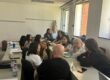
Hosted by the Universidad de Navarra in Pamplona, Spain, the CODE YAA Summer School 2025 brought together international researchers, clinicians, and academics. Below are key insights shared by participants on meritocracy, systemic fairness, informal caregiving burdens, and breaking gender barriers in academic careers.
Participant Insights and Featured Short Videos
1. Promoting Meritocracy and Equal Opportunity
-
Dr. Manuel Vila Capelas (Portugal – Catholic University of Portugal): Emphasizing the need for equity in academic careers and research, Dr. Capelas highlights that individuals should be recognized and promoted based on merit rather than gender.
-
Assoc. Prof. Dr. İsmail Toygar (Türkiye – Medical Nursing): Serving as a member of Working Group 3, Dr. Toygar expresses optimism regarding gender equality in science, noting that significant progress has been made and even greater achievements lie ahead through collective effort.
2. Systemic Inclusivity and Gender Balance
-
Julija Cīrule – Galuza (Latvia – Head of Palliative Care Alliance): Drawing from two decades of experience, Cīrule points out that gender equality encompasses both women’s and men’s rights, stressing the importance of building systems that evaluate professionals without gender bias.
-
Dr. Simone Veronese (Italy – FARO Foundation / Vice President of EAPC): Co-Chair of Working Group 4, Dr. Veronese explains how gender balance was embedded directly into the design of the summer school—from session planning to speaker selection—to positively influence educational outcomes.
3. Addressing Societal Roles and Career Obstacles
-
Dr. Vilma Tripodoro (Argentina – Senior Researcher & Palliative Care Specialist): Focusing on gender disparities among informal family caregivers, Dr. Tripodoro highlights the social mandates of caregiving and the necessity of ongoing research into household care dynamics.
-
Dr. Elona Hasalla (Albania – Lecturer, University of Elbasan): Reflecting on the hurdles women encounter in academia, Dr. Hasalla emphasizes how dedication and hard work demonstrate women’s vital contributions to science and society.