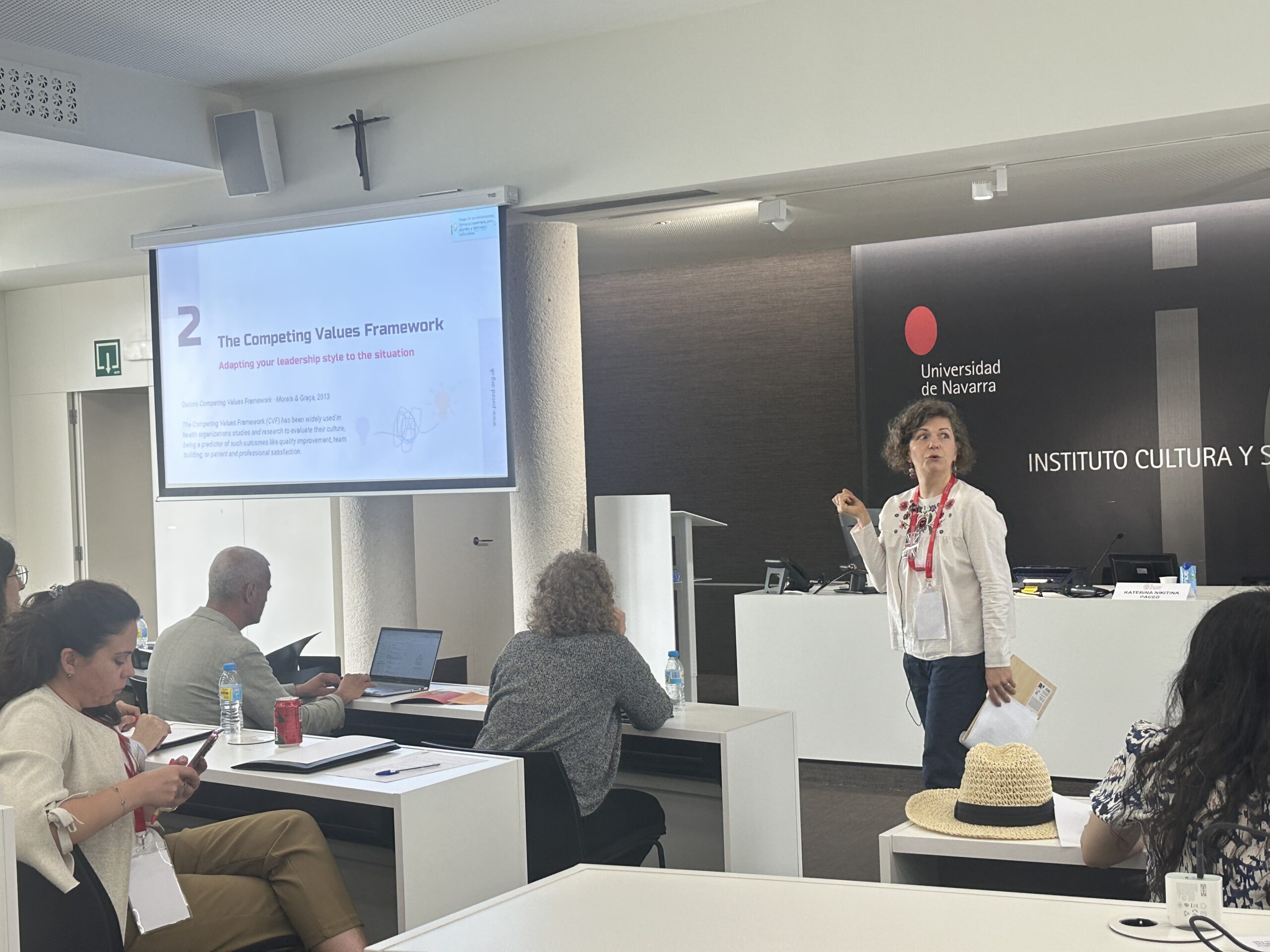
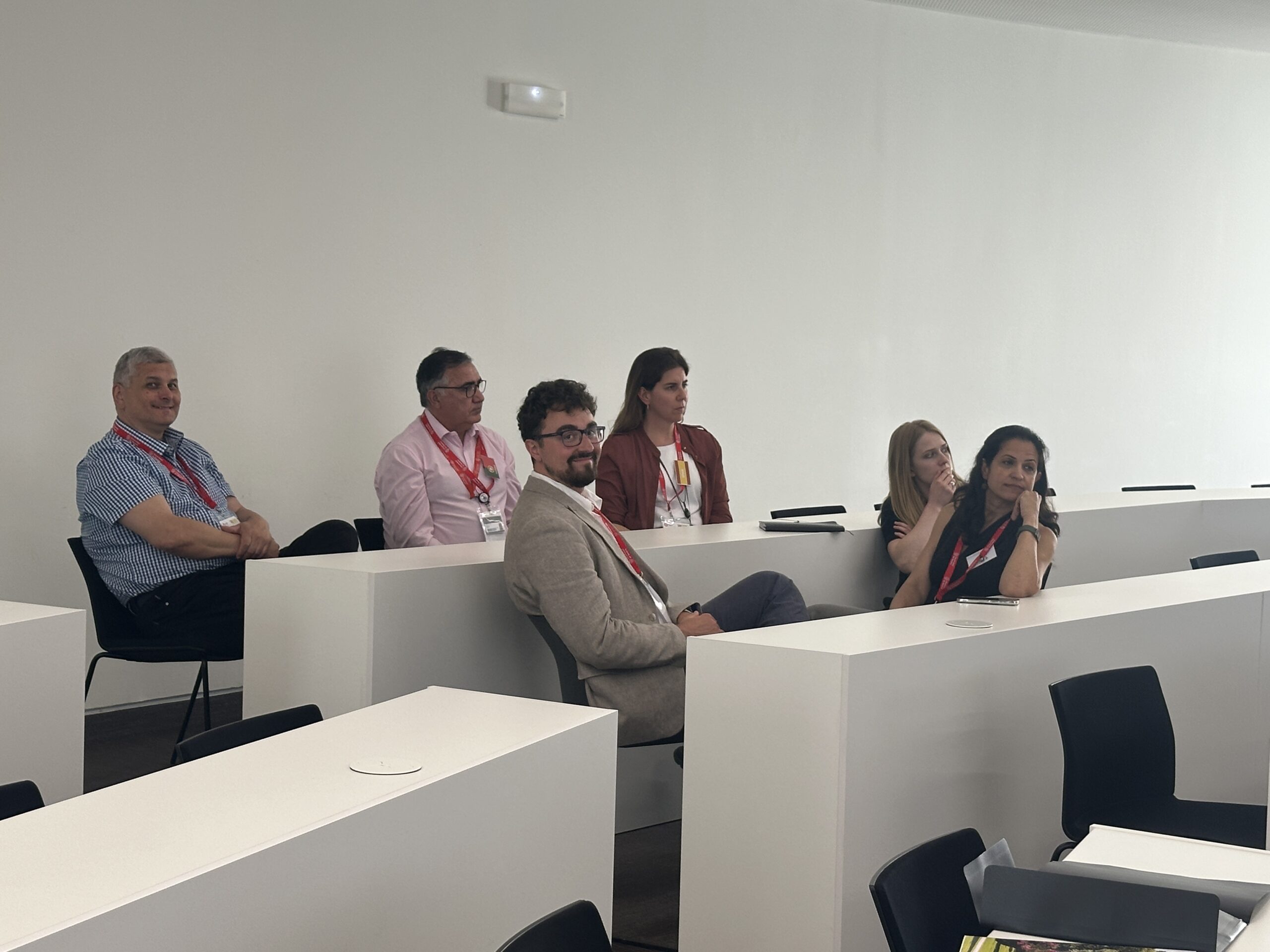
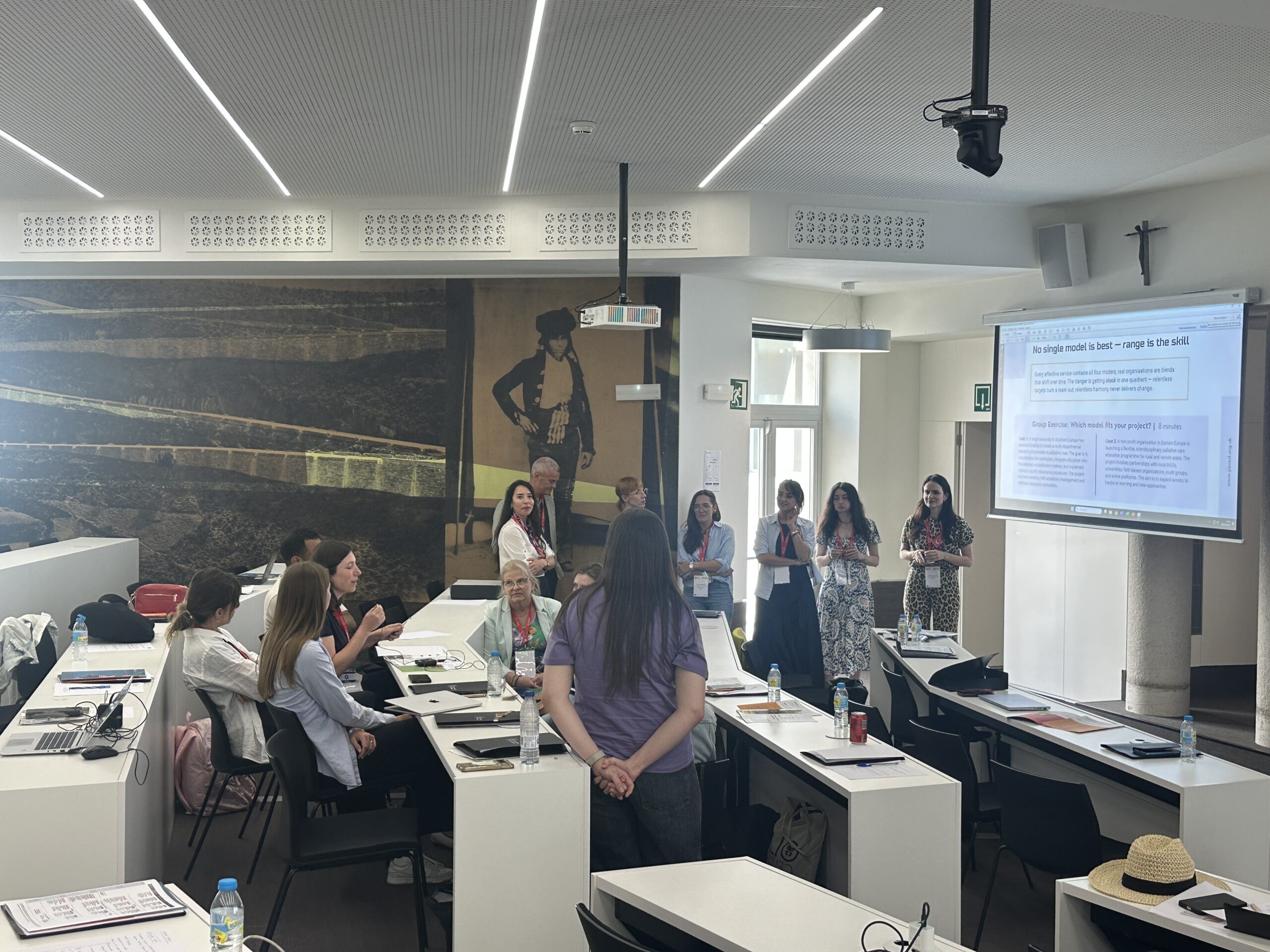
The workshop ‘Transformational Leadership in Palliative Care: from Theory to Action’ highlighted that effective palliative care depends not only on clinical excellence but also on leadership — a skill that is decisive for whether services survive, teams stay well, and change takes hold. Drawing on a Delphi consensus study conducted in 2021 and published in 2024 it explored the eight domains of leadership competency that define good leadership in the field, with teamwork, personal traits, and leading change emerging as the most important and research the least. A central message was that palliative care leadership is a discipline in its own right asking less of leaders as project managers and more as people who can build cohesive multidisciplinary teams, guide change, and protect a team’s wellbeing under sustained emotional pressure. The workshop also emphasised that these competencies are not innate gifts, but knowledge, skills, and attitudes that can be learned and developed.
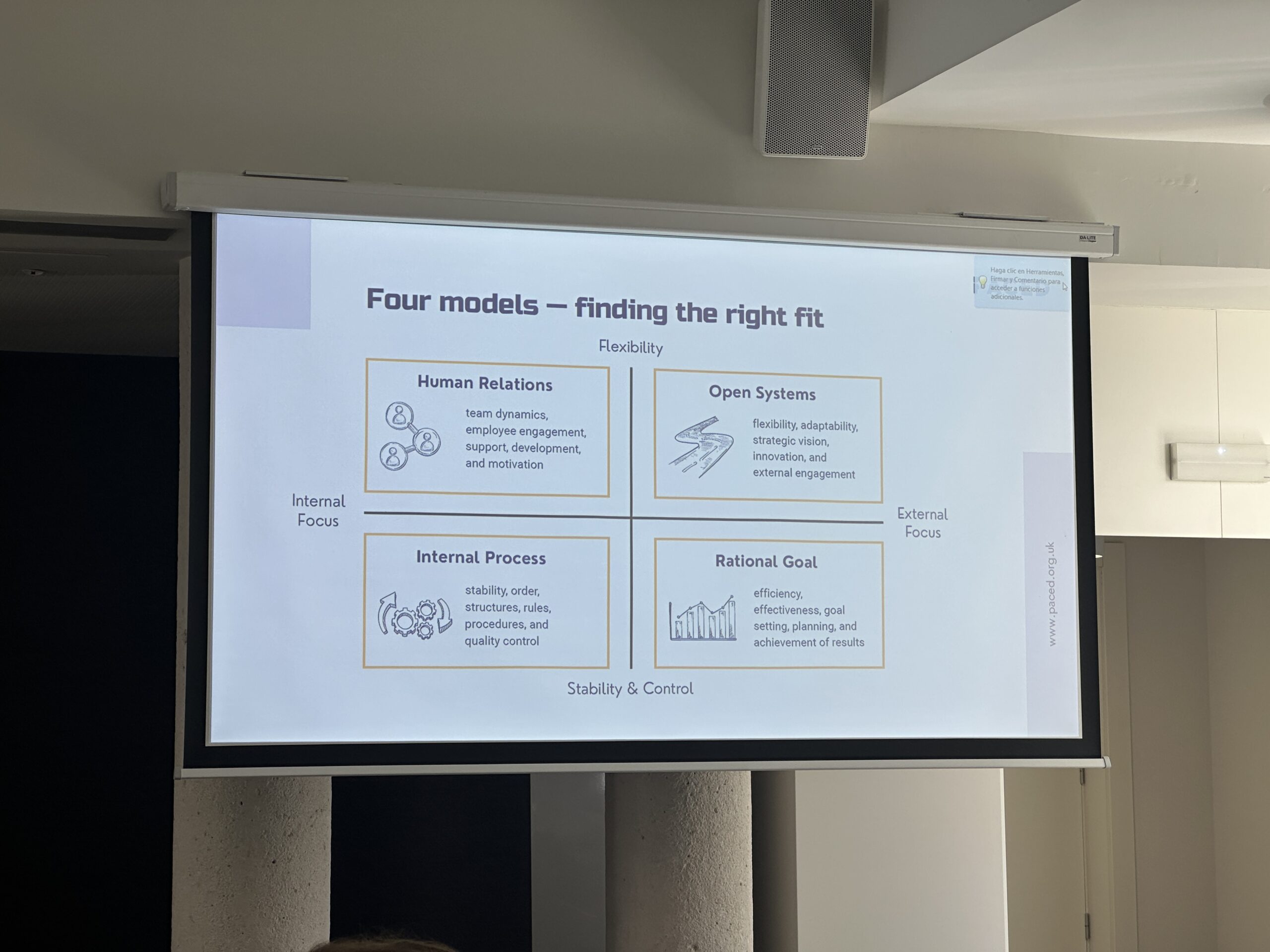
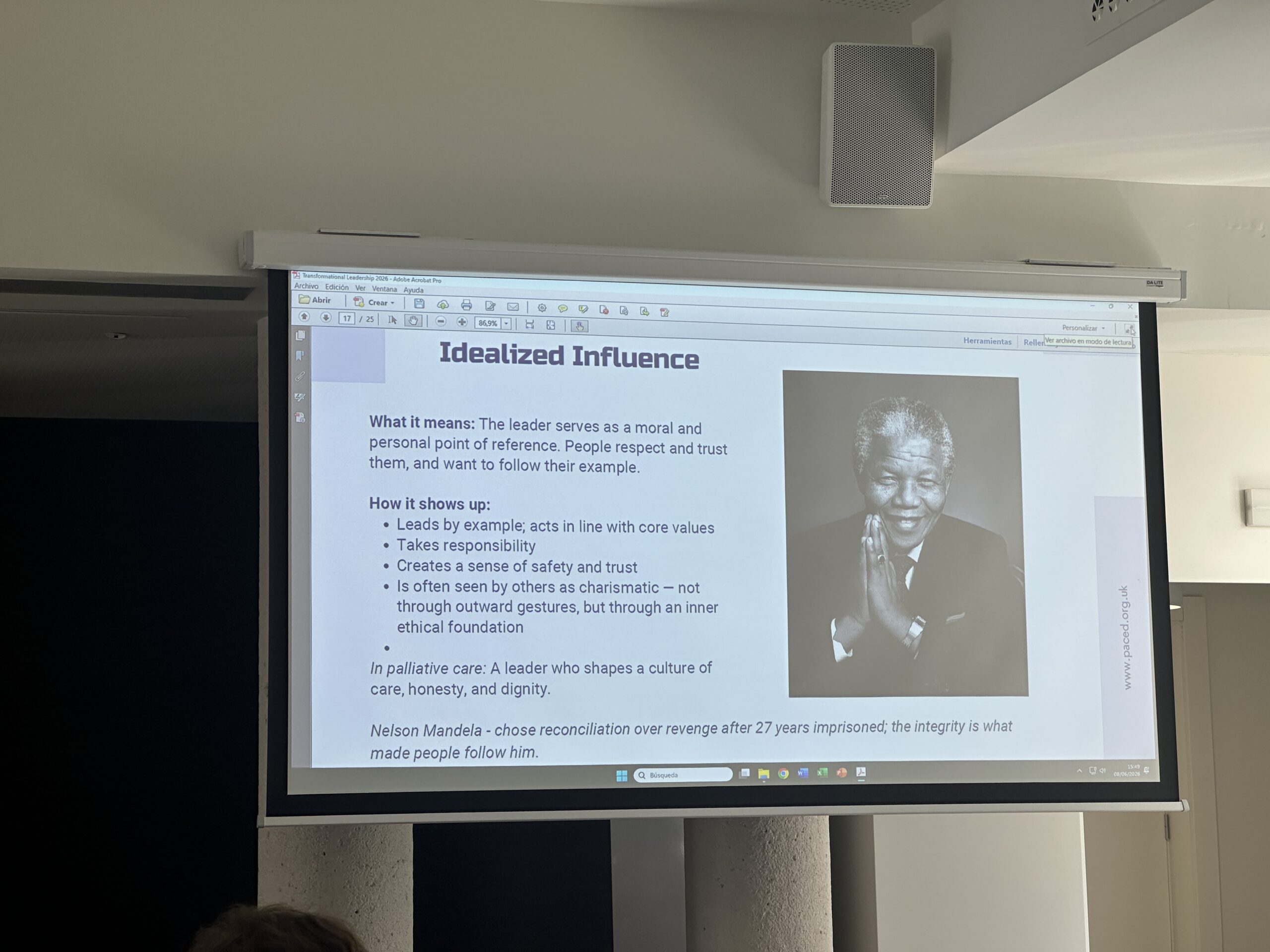
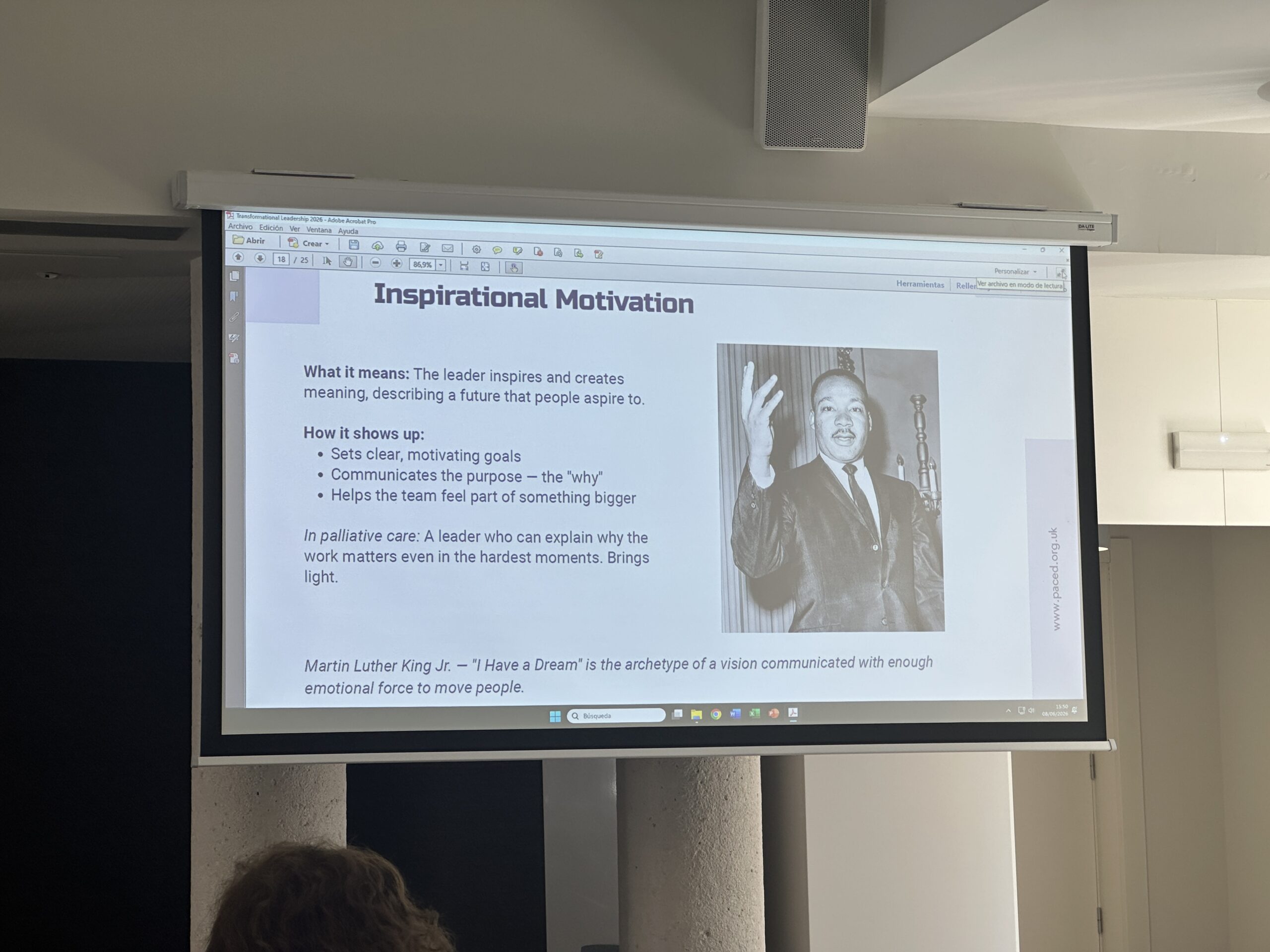
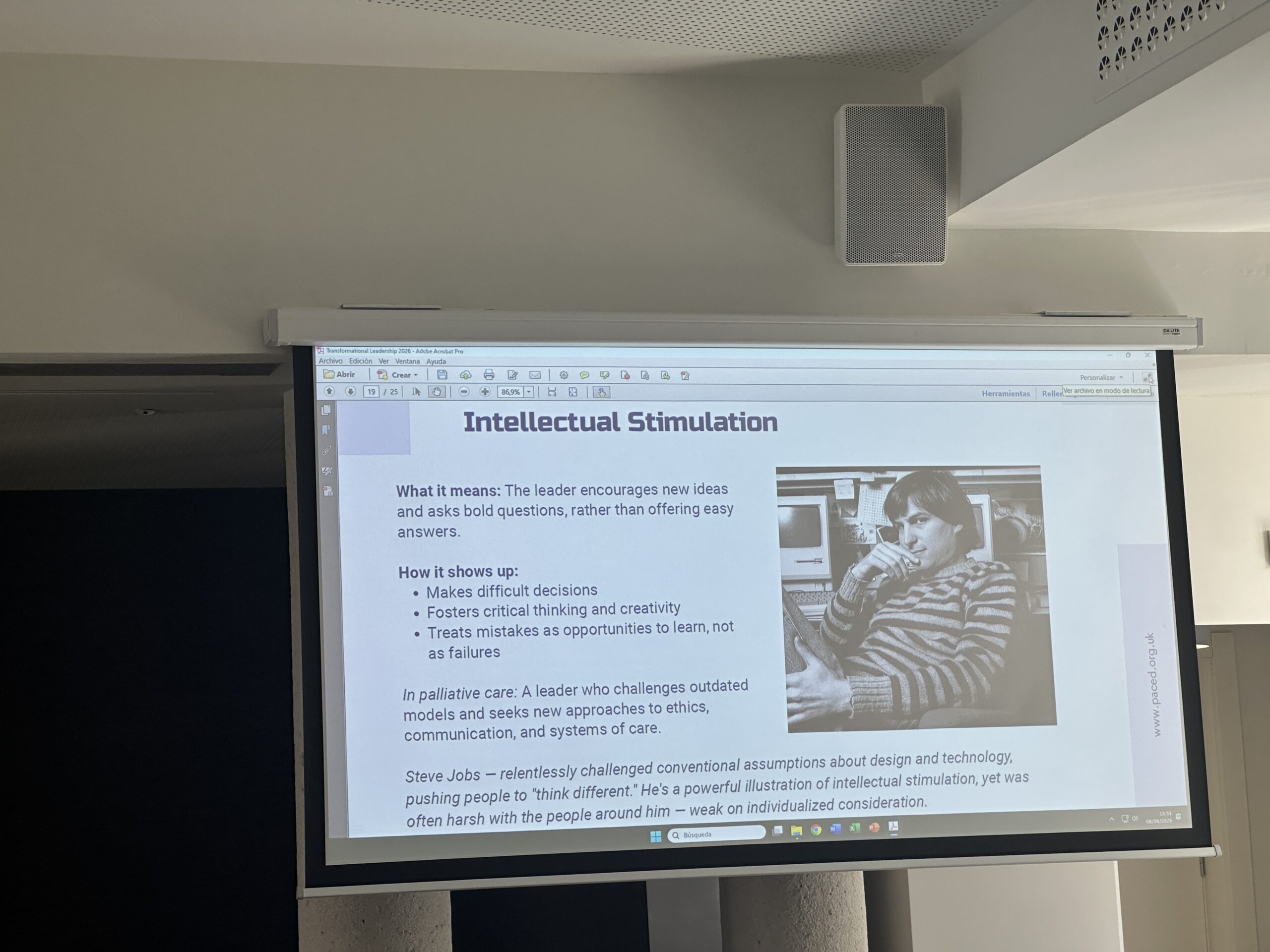
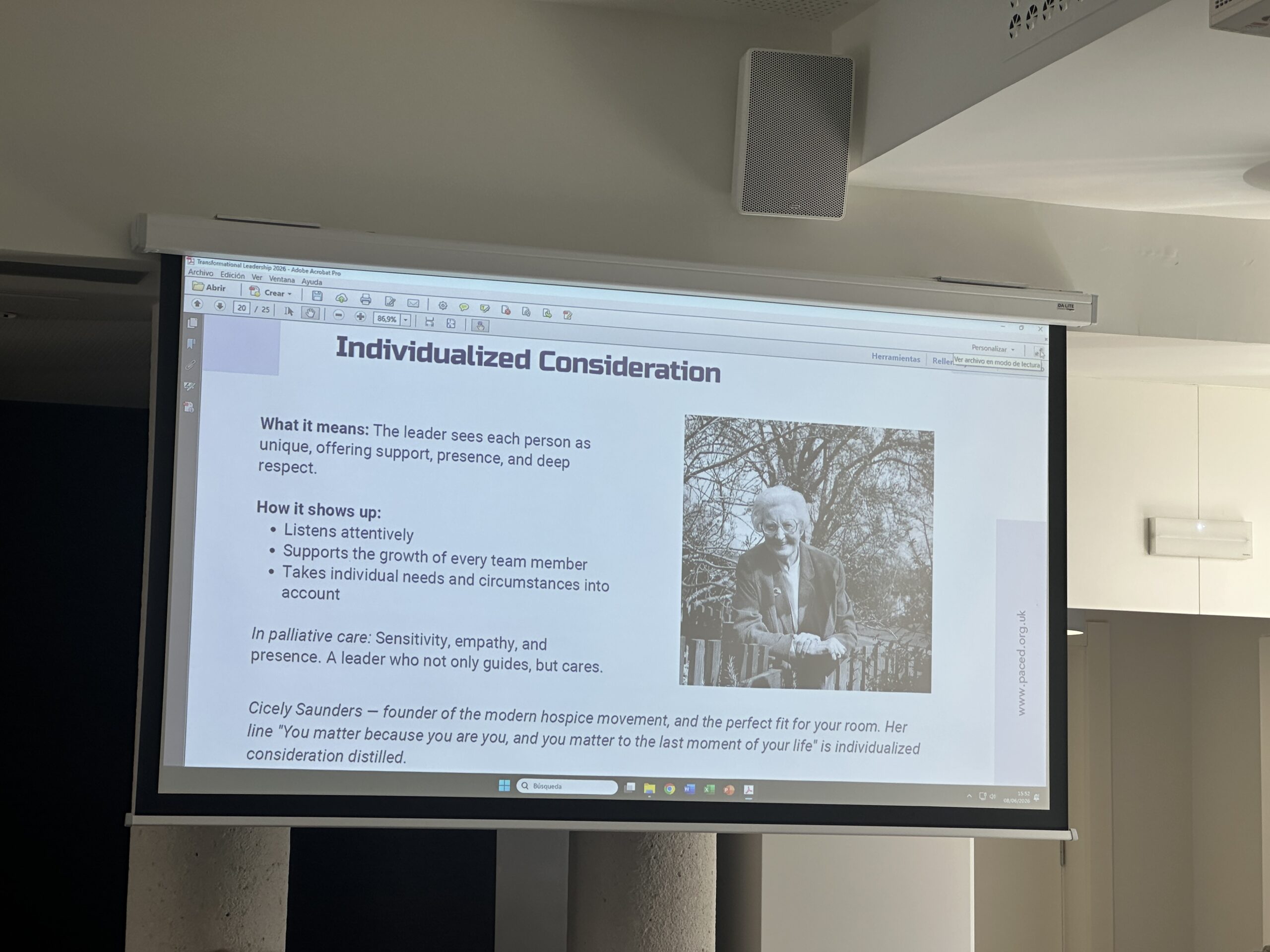
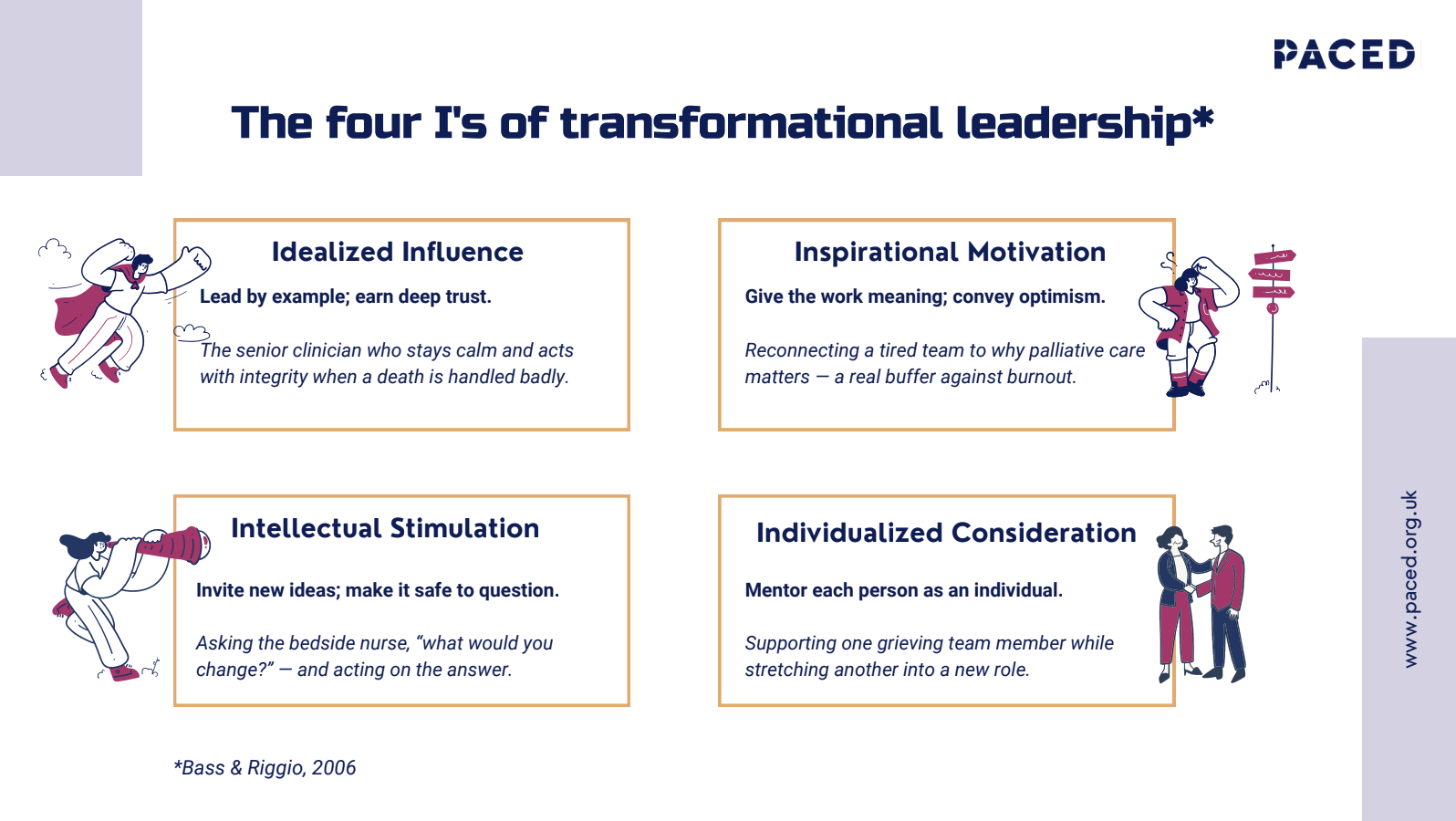
Building on this evidence, the workshop introduced two practical frameworks for putting leadership into action. The Competing Values Framework showed that there is no single “best” leadership style — the strongest leaders read each situation and move fluidly between building teams, driving innovation, delivering results, and maintaining stability, so the real skill is range rather than a fixed approach. The session then turned to transformational leadership and its four I’s — idealised influence, inspirational motivation, intellectual stimulation, and individualised consideration — to describe who leaders need to be to inspire and sustain change. Throughout, the workshop drew these ideas into one coherent picture: the competencies are what leaders need, the Competing Values Framework is how they adapt, and transformational leadership is who they are while doing it — increasingly understood not as a single heroic figure, but as behaviours shared across an entire team.