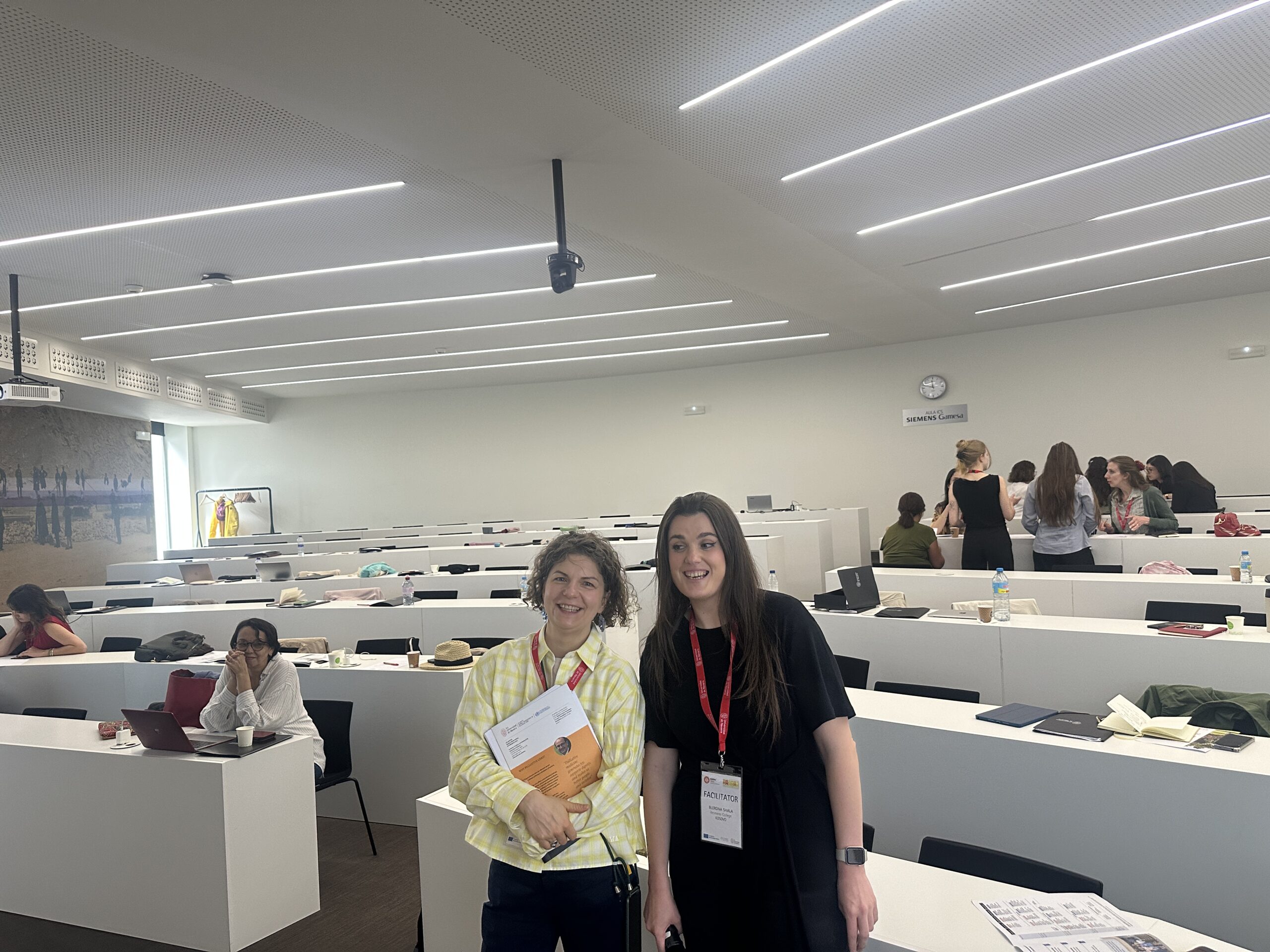
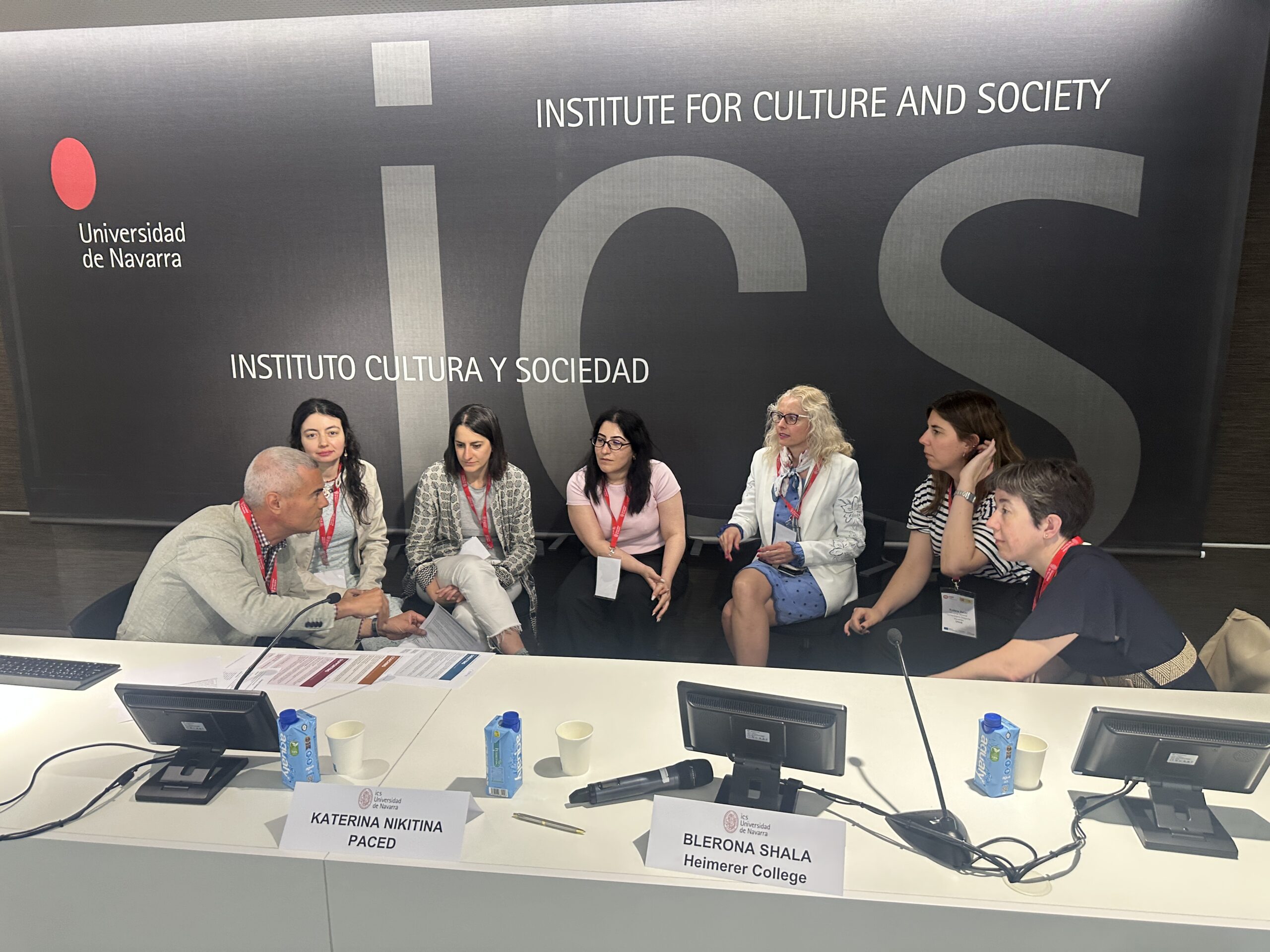
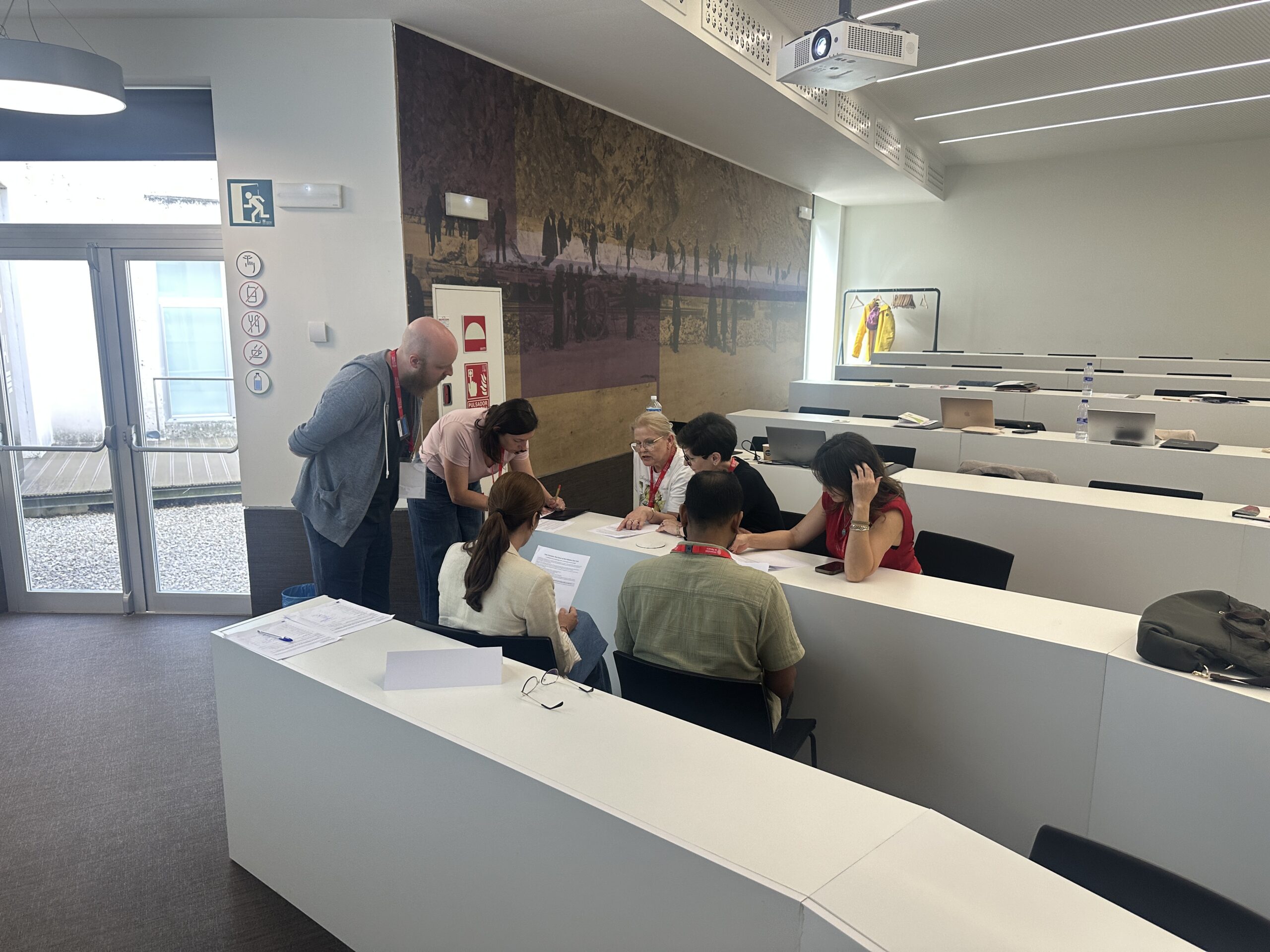
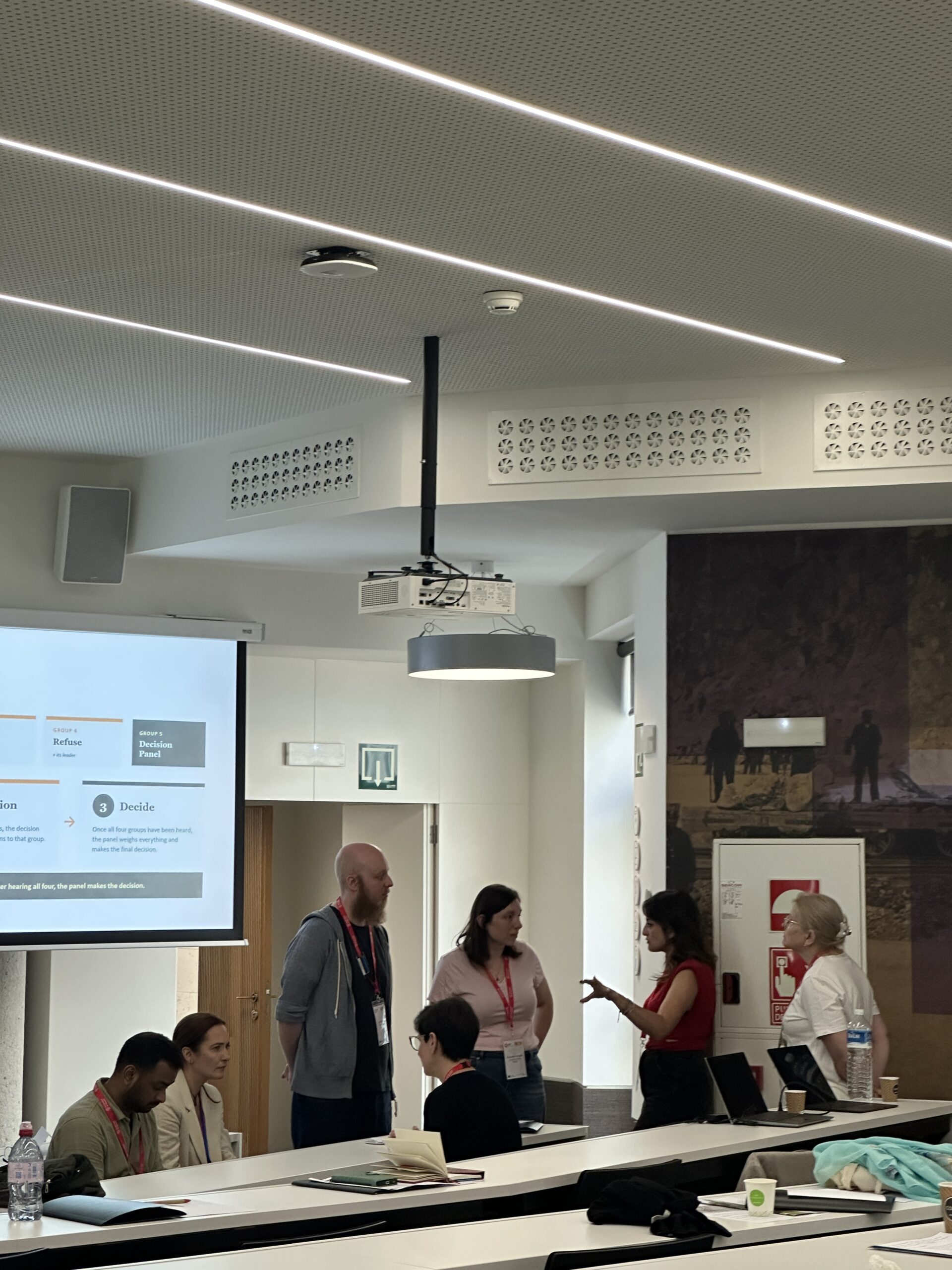
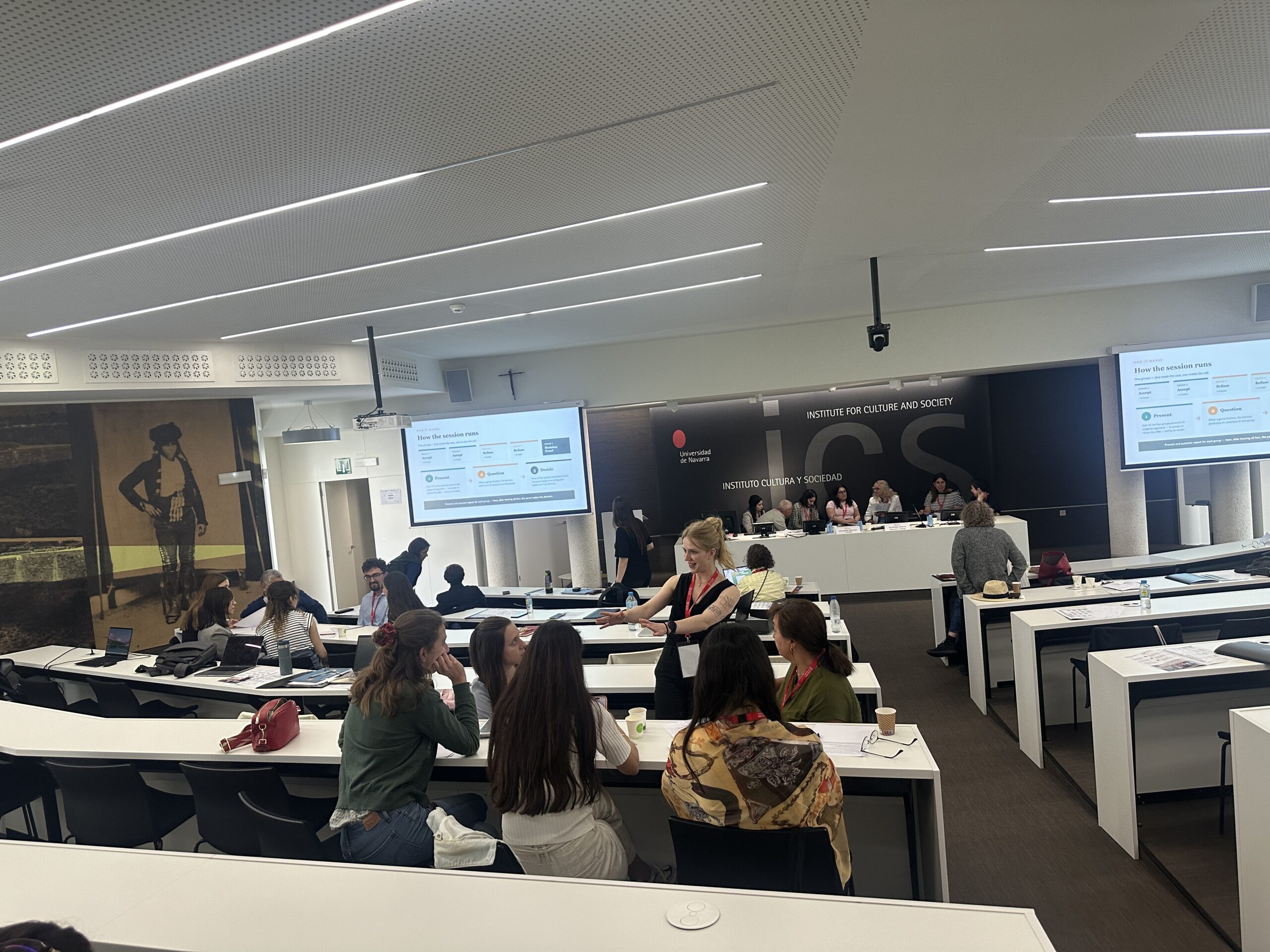
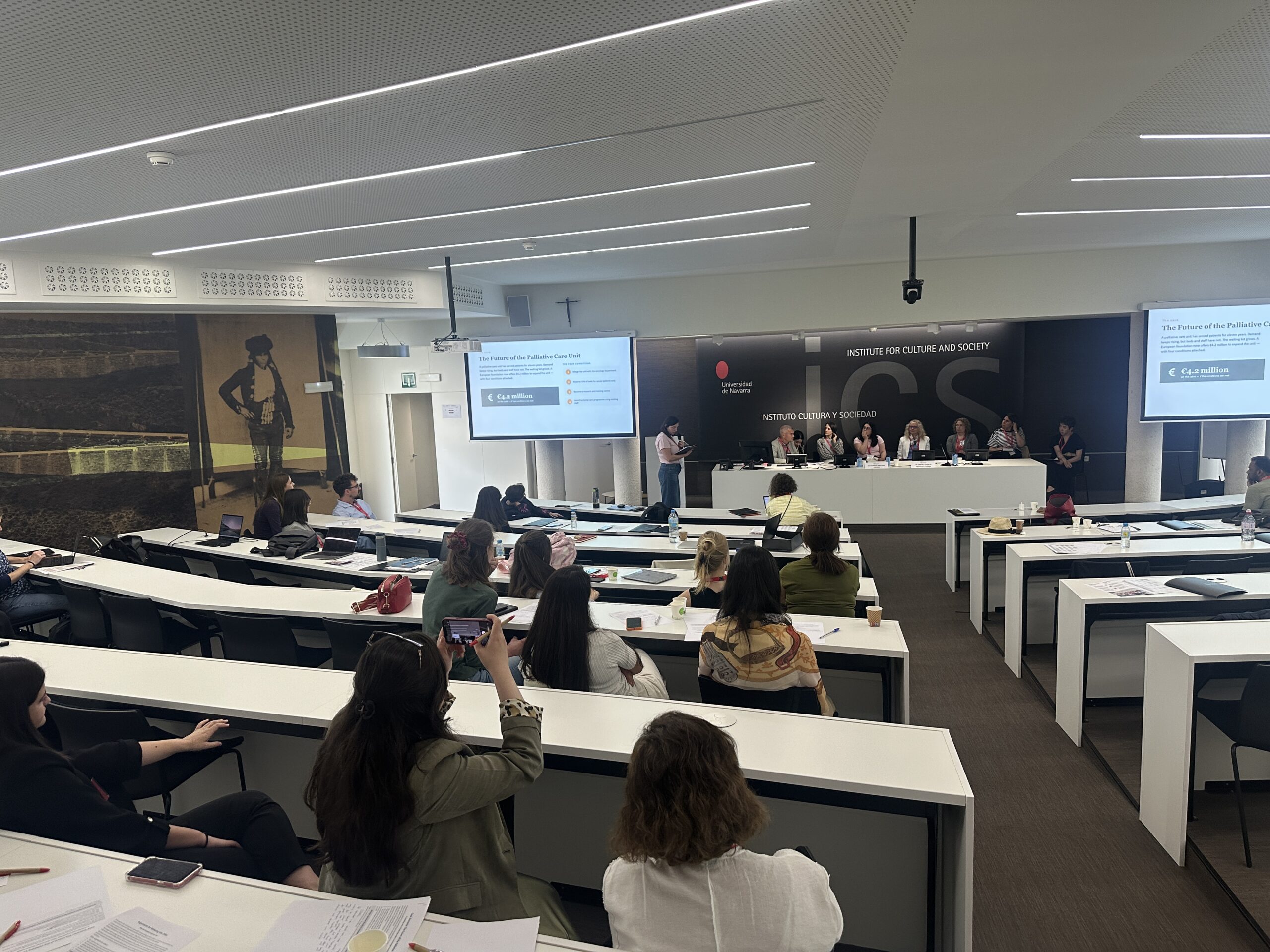
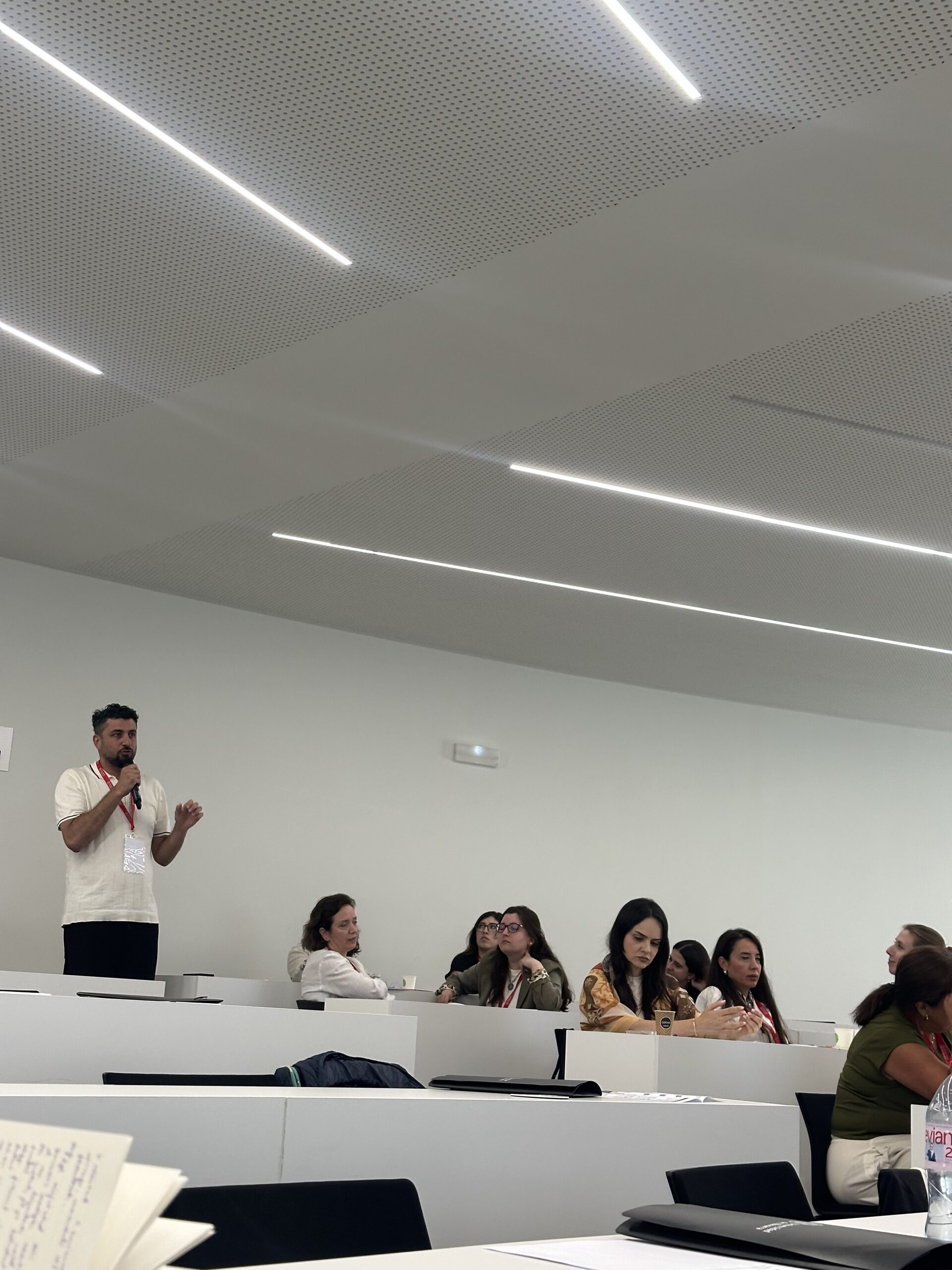
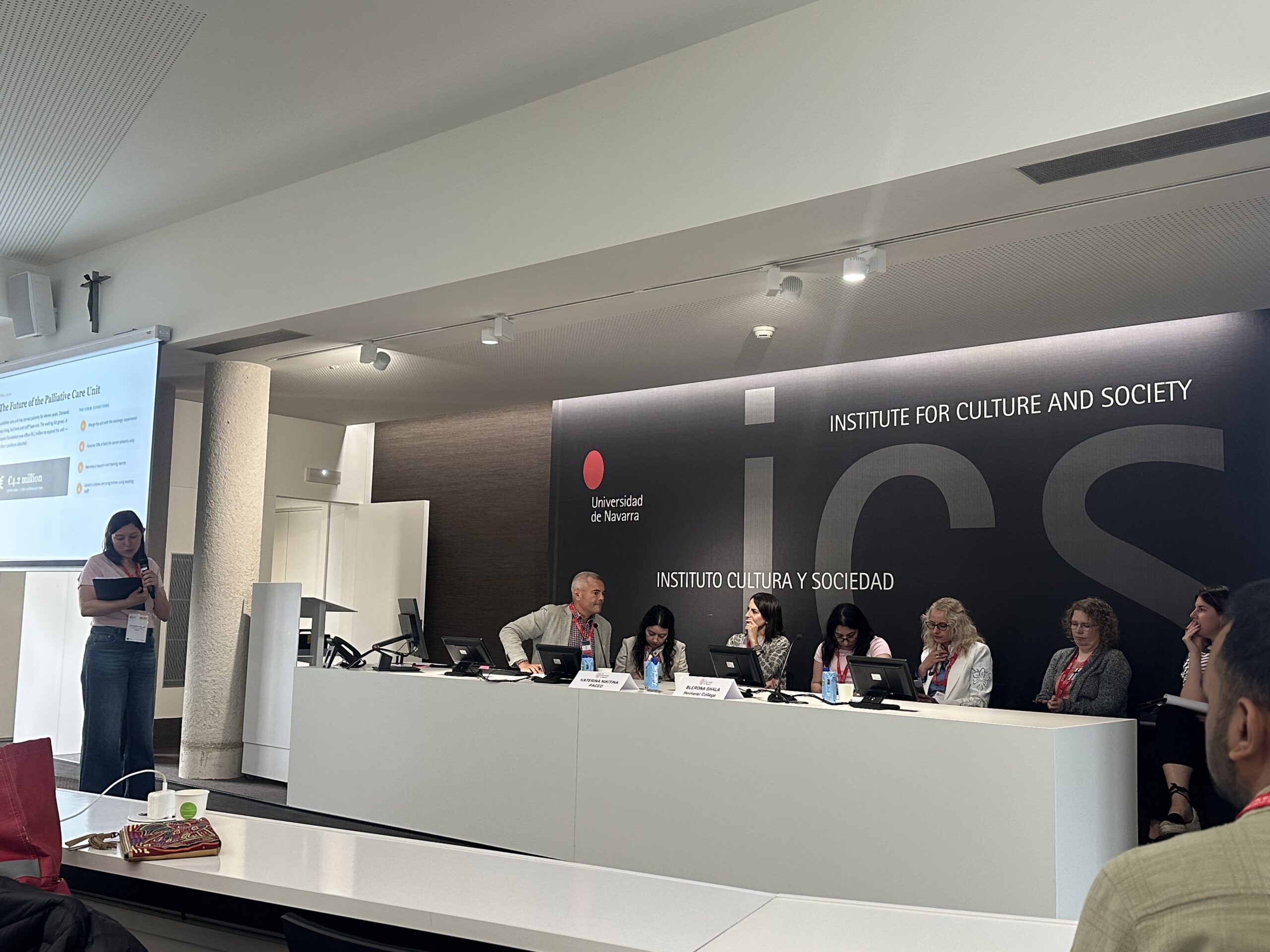
The workshop is built around a real-world case simulation. Participants are given a scenario: a palliative care unit has received a major funding offer of €4.2 million to become a Regional Centre of Excellence. The offer comes with four non-negotiable conditions: merging with oncology, prioritising cancer patients (70% of beds), becoming a research and training hub, and launching a home-based care programme that would require pulling staff from the existing unit.
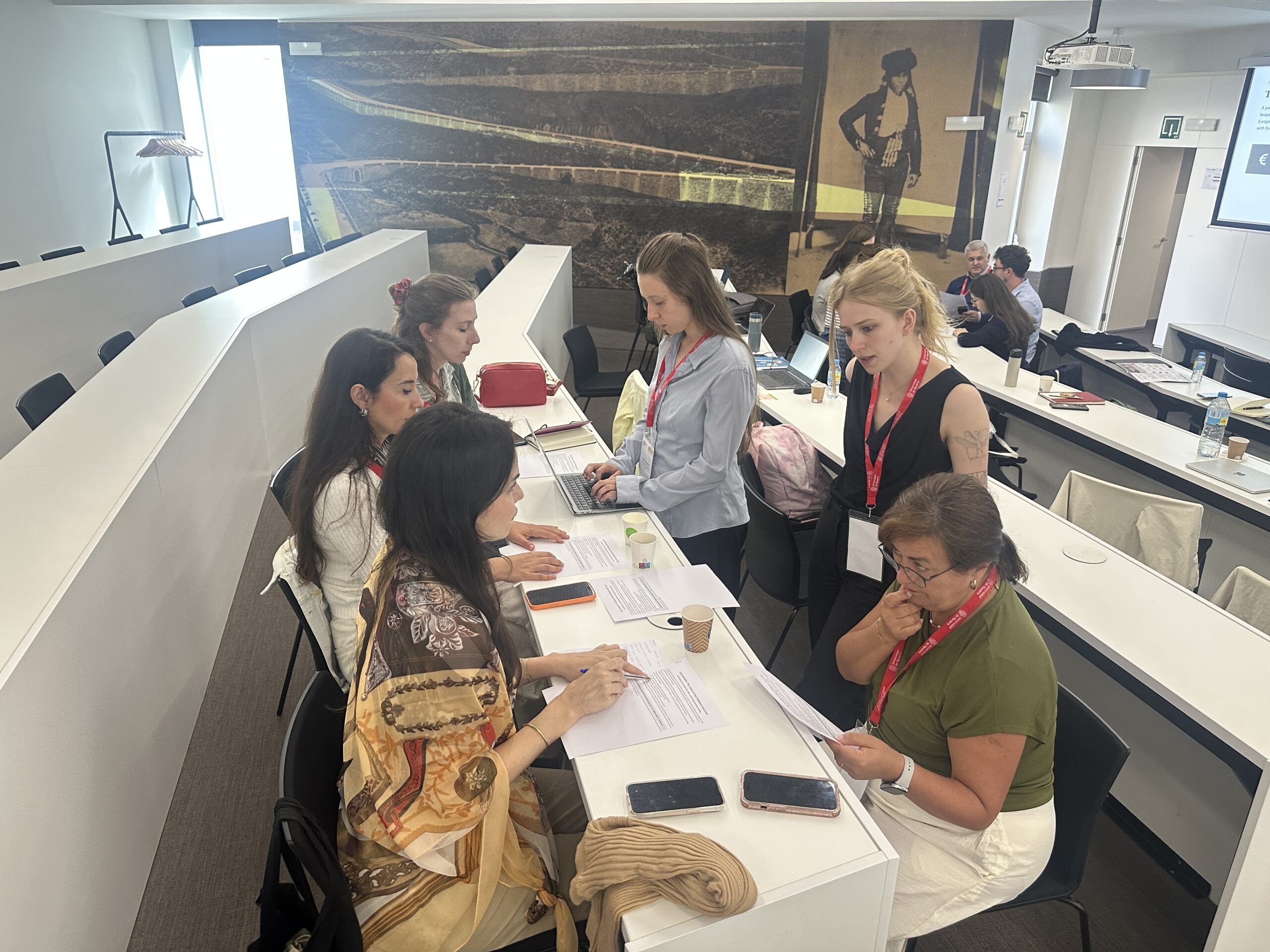
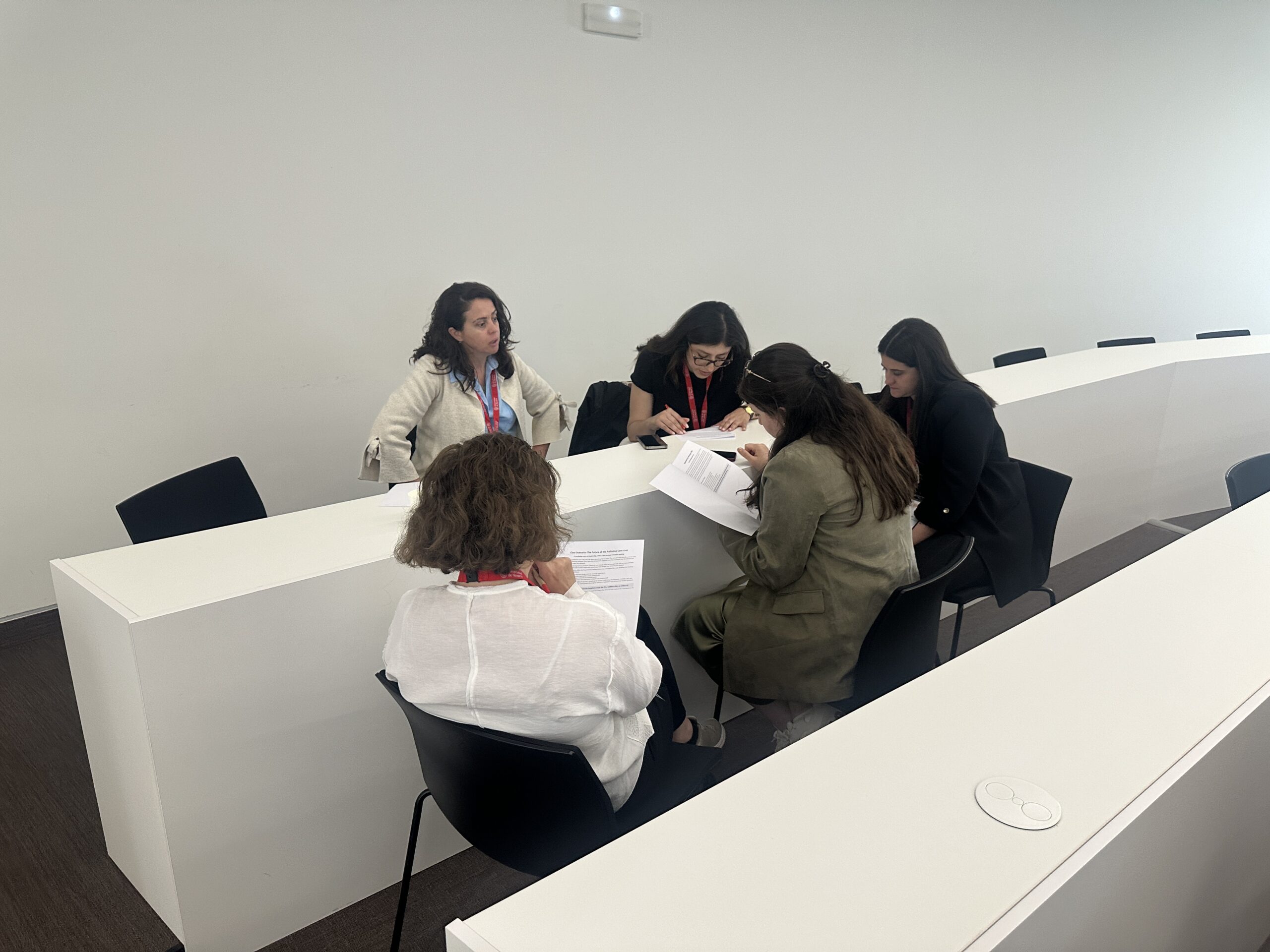
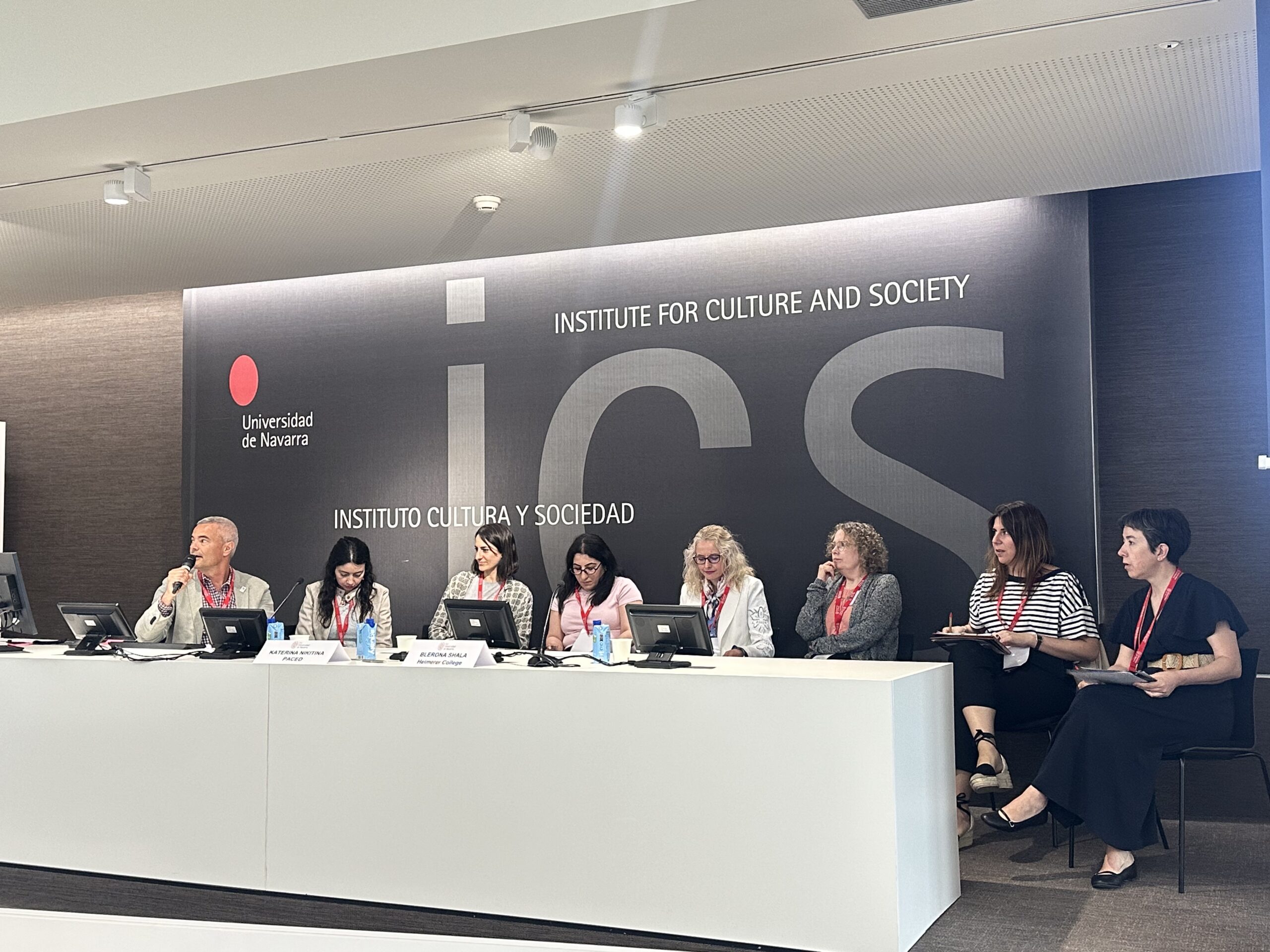
Participants are divided into five groups. Four groups must argue either for accepting or refusing the offer, with two groups assigned to argue in favour of accepting it and two assigned to argue for refusing it. The fifth group acts as the decision panel. Crucially, each of the four arguing groups is assigned a different leadership style from Blanchard’s Situational Leadership model: Directing, Coaching, Supporting, and Delegating. The appointed leader in each group must guide their team through the task using only their assigned style. The remaining members worked without knowing that a specific style was being applied, which allowed the effect of each approach to surface naturally in how the group organised itself, reached decisions, and constructed its argument.