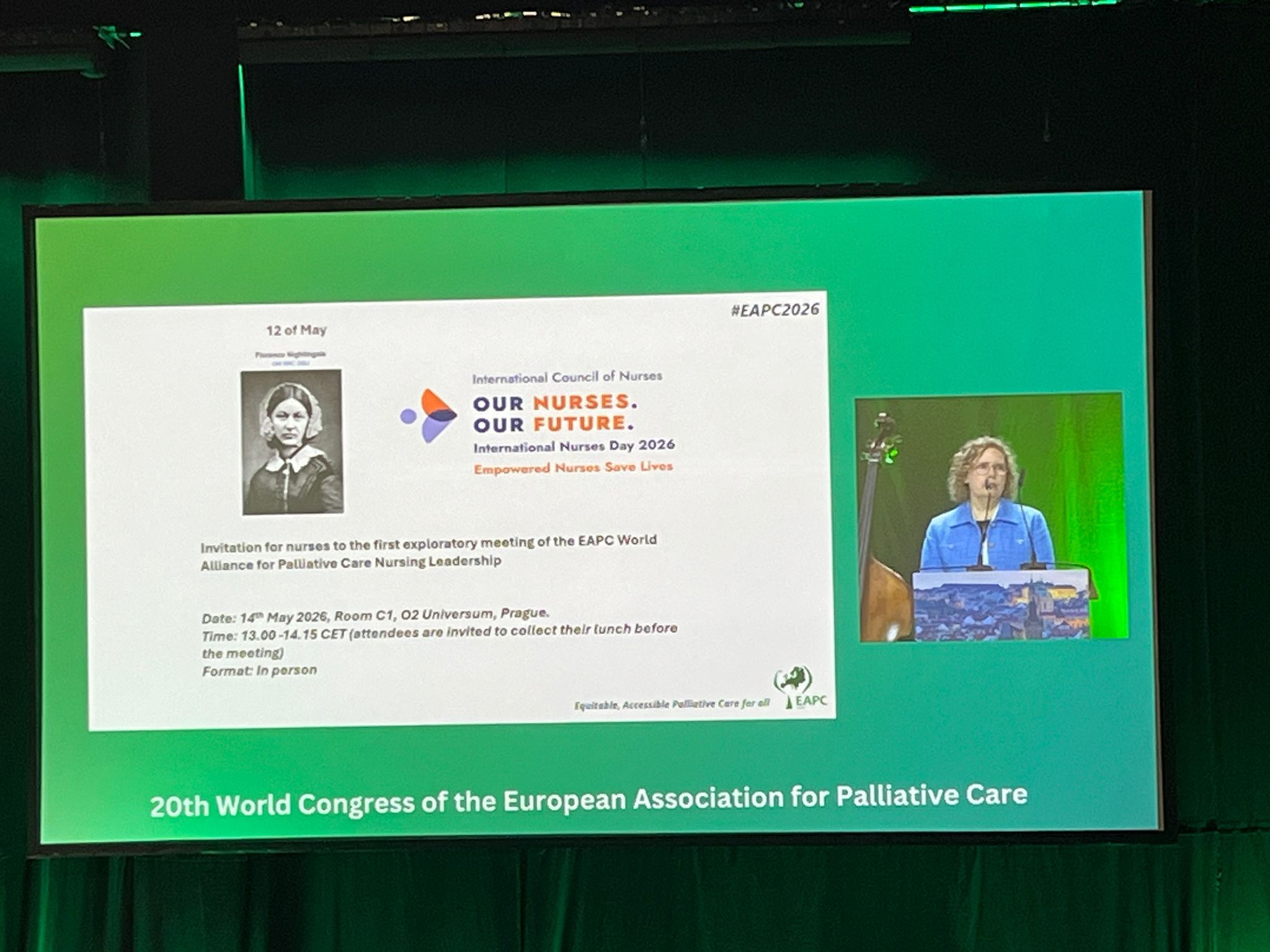
The CODE-YAA@PC-EDU COST Action actively participated in the 20th EAPC World Congress, held in Prague, Czech Republic, from 14–16 May 2026. The congress once again brought together leading experts, researchers, healthcare professionals, organisations, and stakeholders from across Europe and beyond, creating a major platform for collaboration, knowledge exchange, and innovation in palliative care education and research.
Throughout the congress, members of the CODE-YAA@PC-EDU project contributed to scientific sessions, poster discussions, networking activities, and booth-based engagement. Their participation highlighted the Action’s ongoing work to strengthen palliative care education, promote high-quality training standards, and support long-term professional collaboration across Europe.
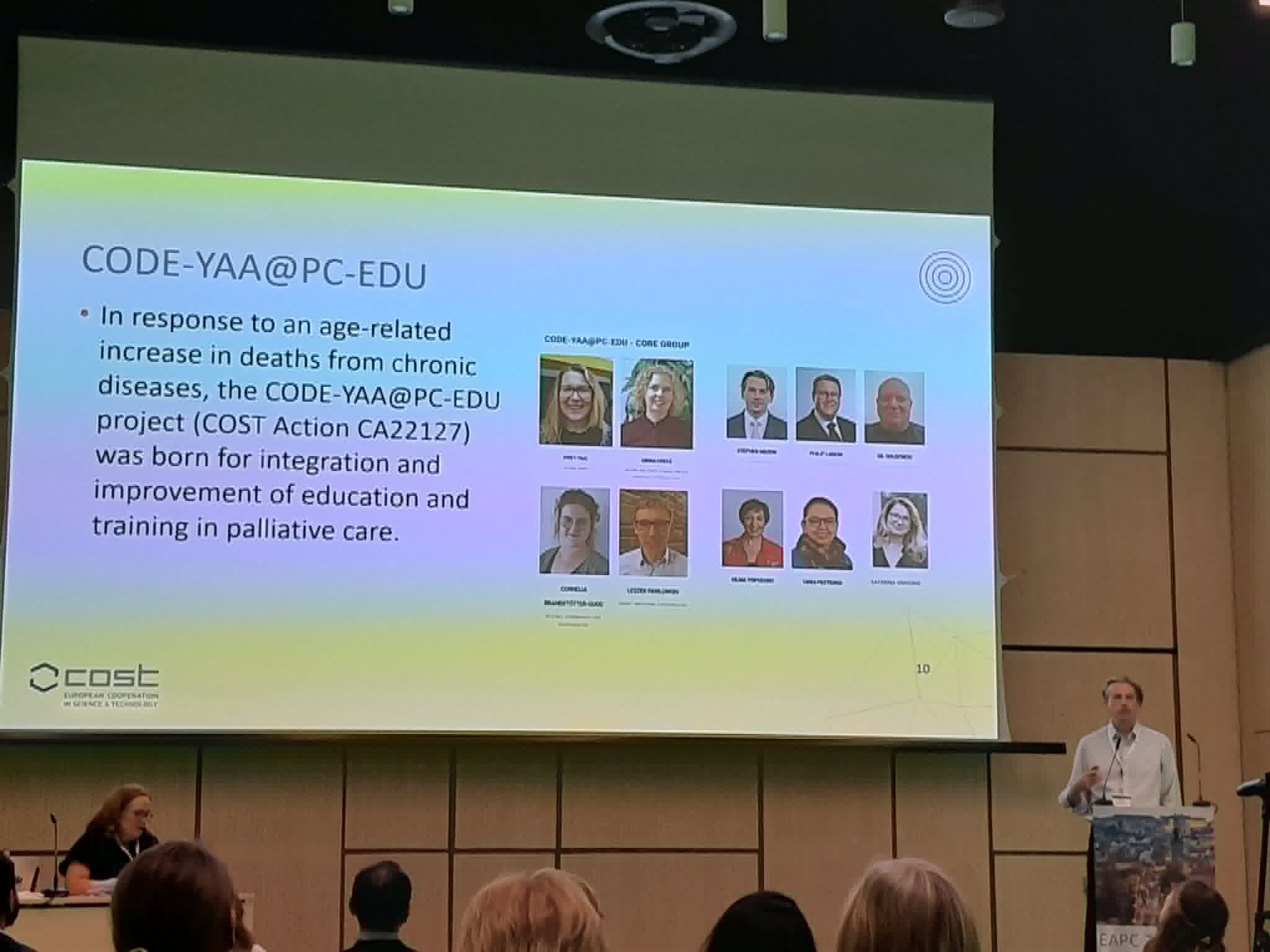
One of the key scientific contributions came from Dr Stephen Mason, WG1 Leader of CODE-YAA@PC-EDU, who delivered a presentation titled “Development of Consensus-Based Quality Indicators for Palliative Care Education: Findings from the CODE-YAA@PC-EDU Project” during the Education session on Thursday, 14 May. The session was chaired by Stephen Mason and Siobhan Murphy.
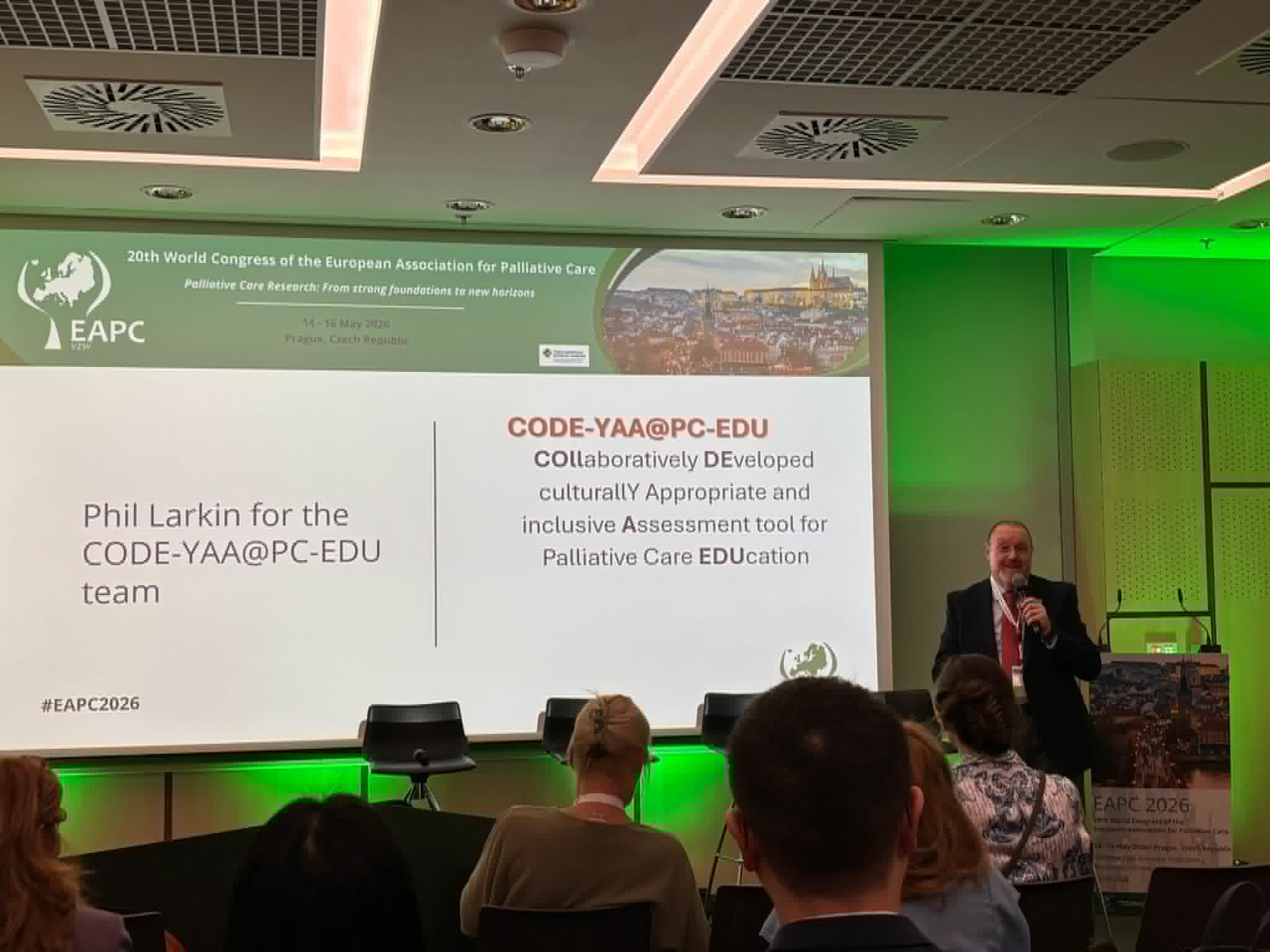
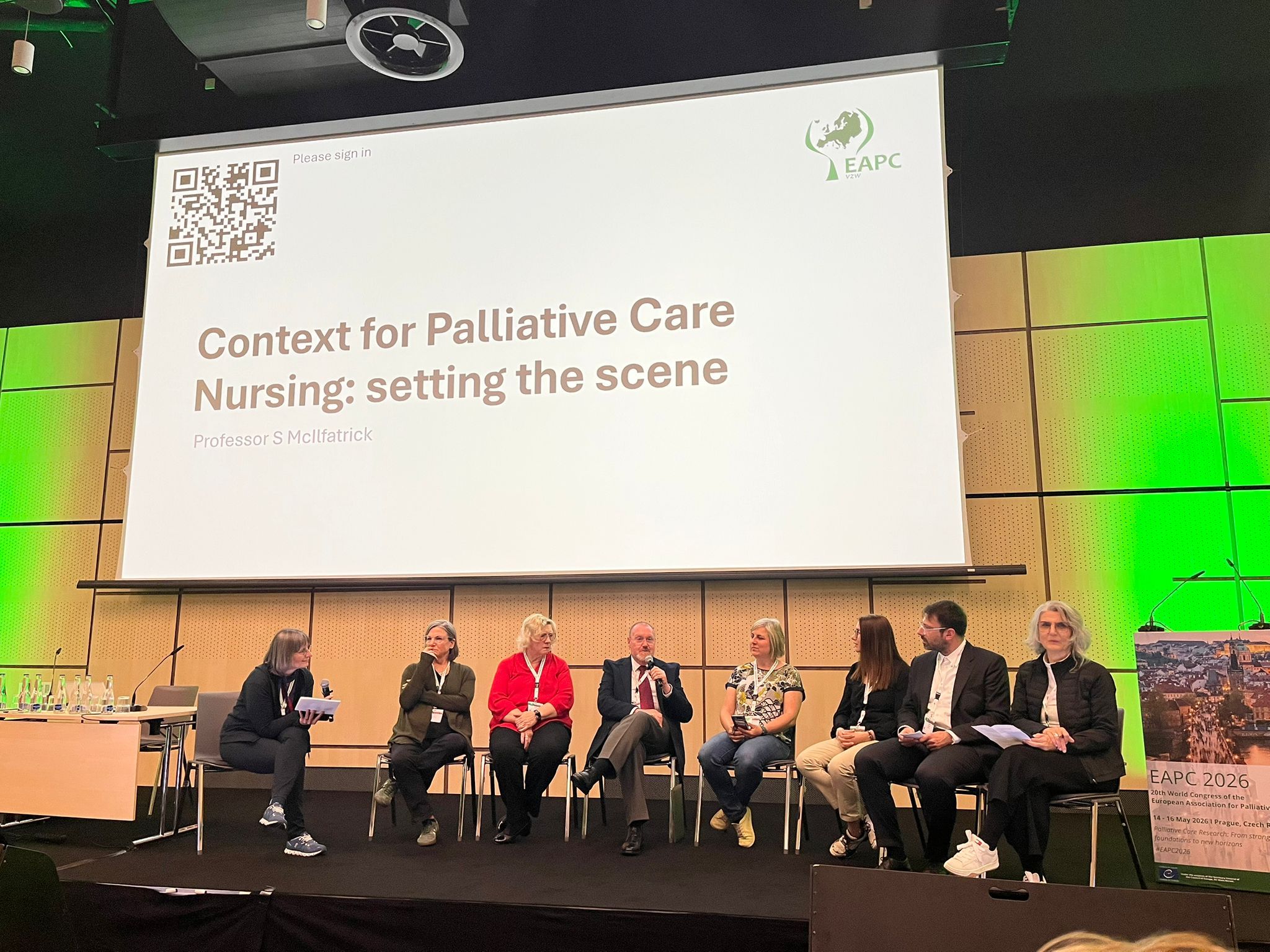
CODE-YAA@PC-EDU was also represented in the session “EAPC Partnered Research,” chaired by Cathy Payne from EAPC and the project Chair Minna Hökkä. The panel focused on how research network findings can move beyond publications and contribute to routine practice, policy, education, and sustainable professional collaboration. The CODE-YAA@PC-EDU project was represented in this important discussion by Phil Larkin. Panellists explored what should be sustained after Networks of Excellence conclude and how professional organisations such as the EAPC can support standardisation, scale-up, and implementation across Europe.
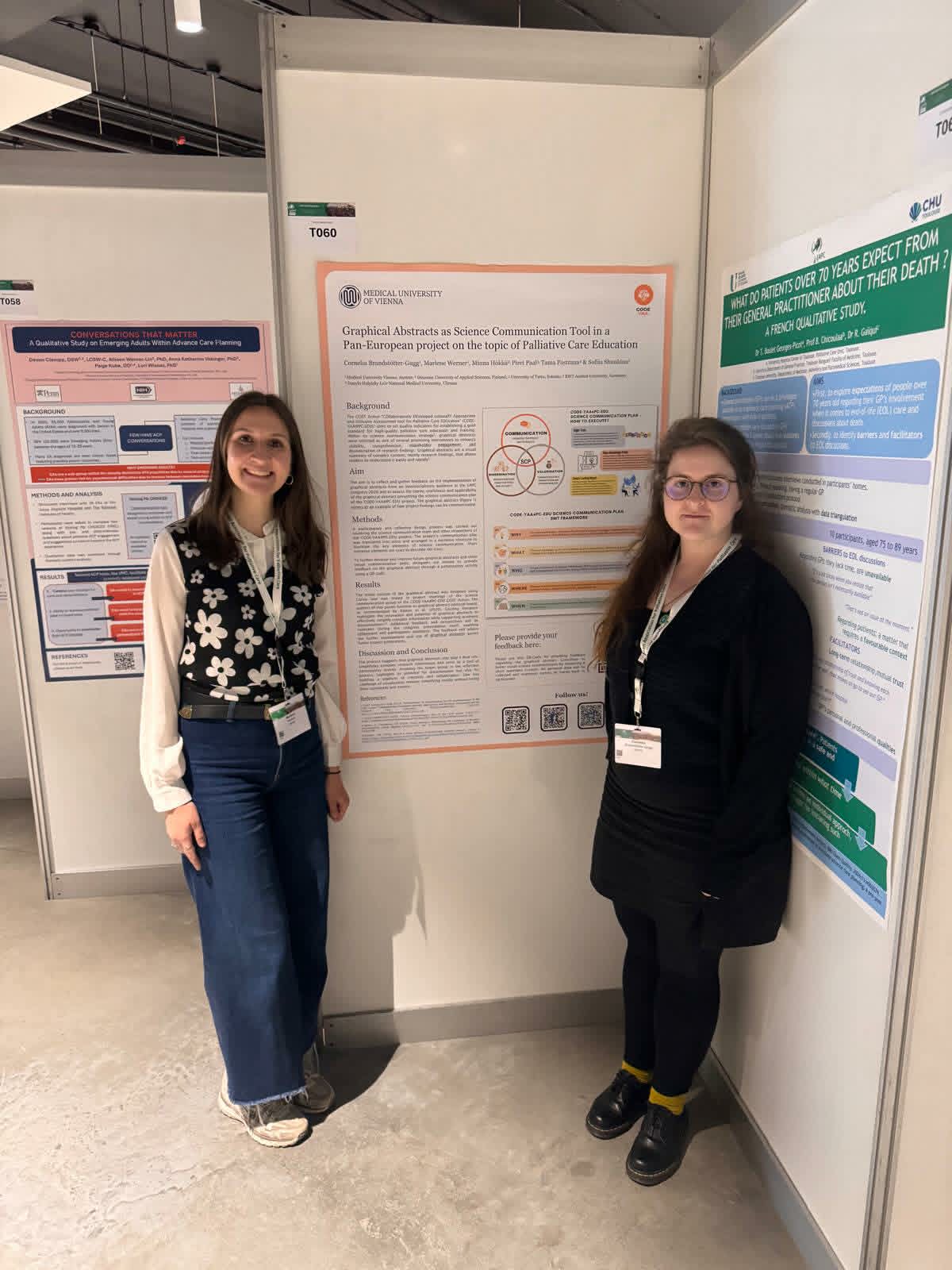
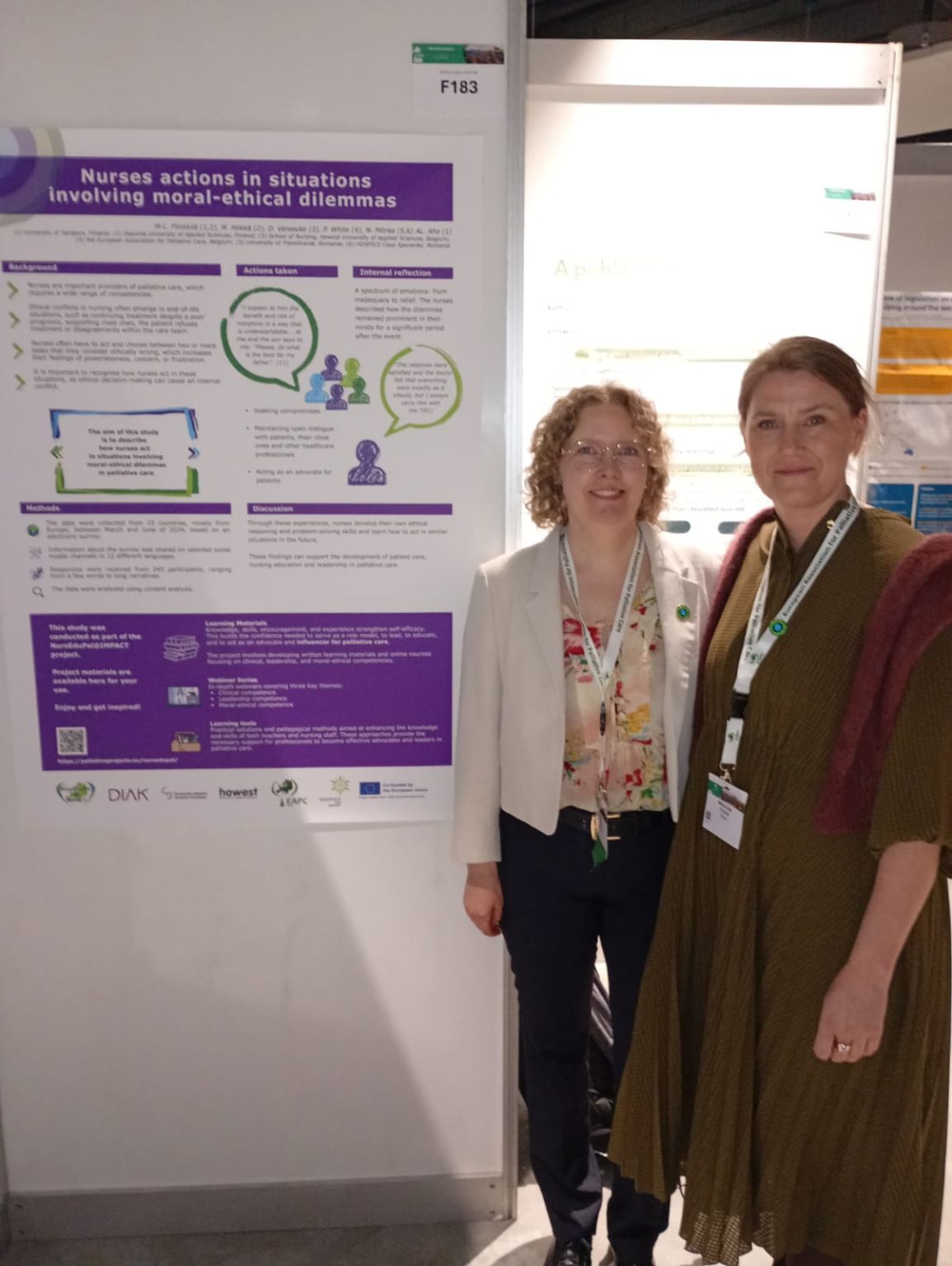
Another important contribution was the poster presentation titled “Graphical Abstracts as Science Communication Tool in a Pan-European Project on the Topic of Palliative Care Education.” The poster was presented on 14 May during congress breaks and continued to be showcased at the CODE-YAA@PC-EDU booth on 15–16 May. It attracted strong interest from participants and generated valuable discussions about the role of graphical abstracts as an innovative science communication tool. Feedback from participants was highly positive, and further analysis of the collected online feedback is currently underway.
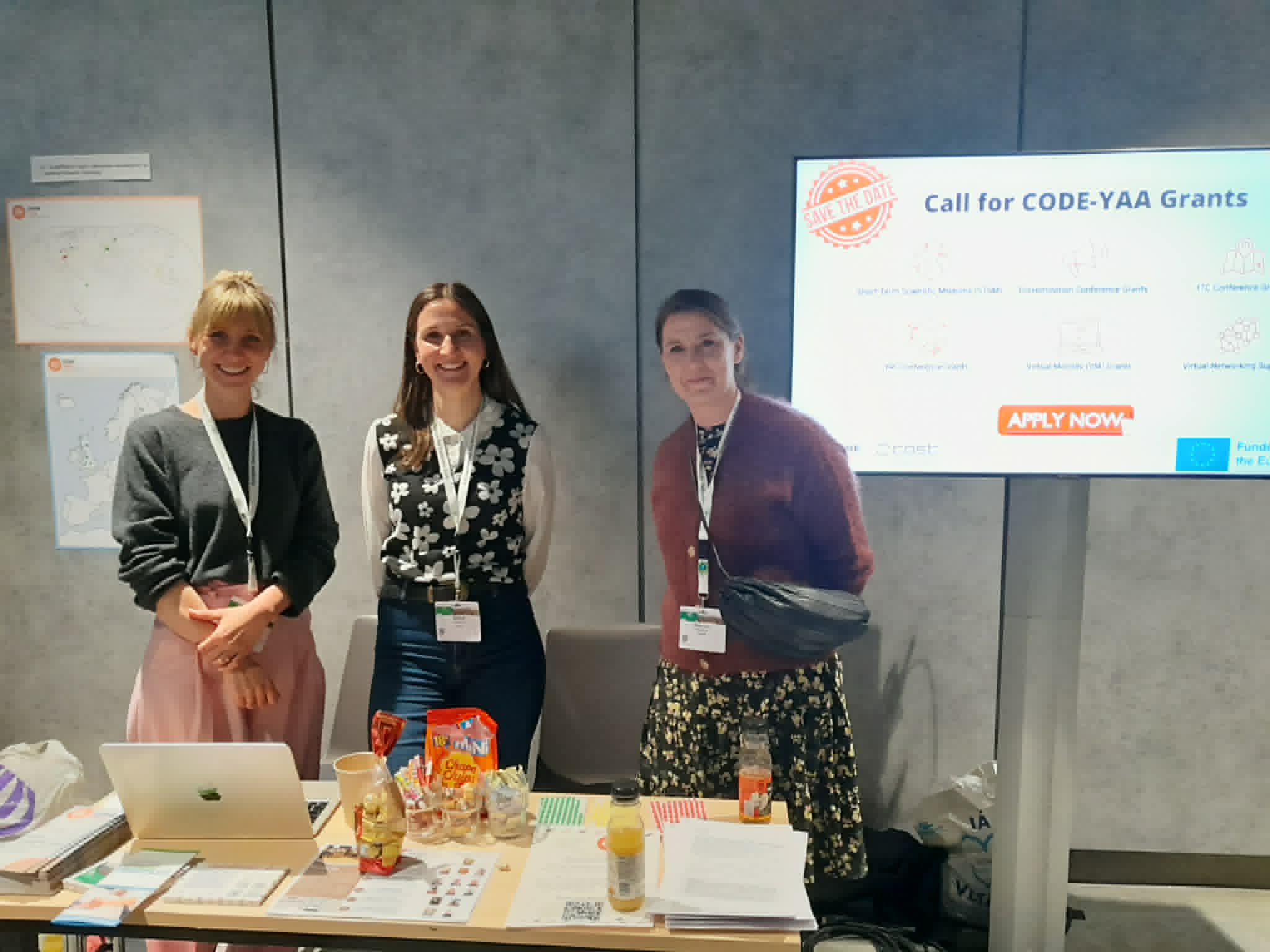
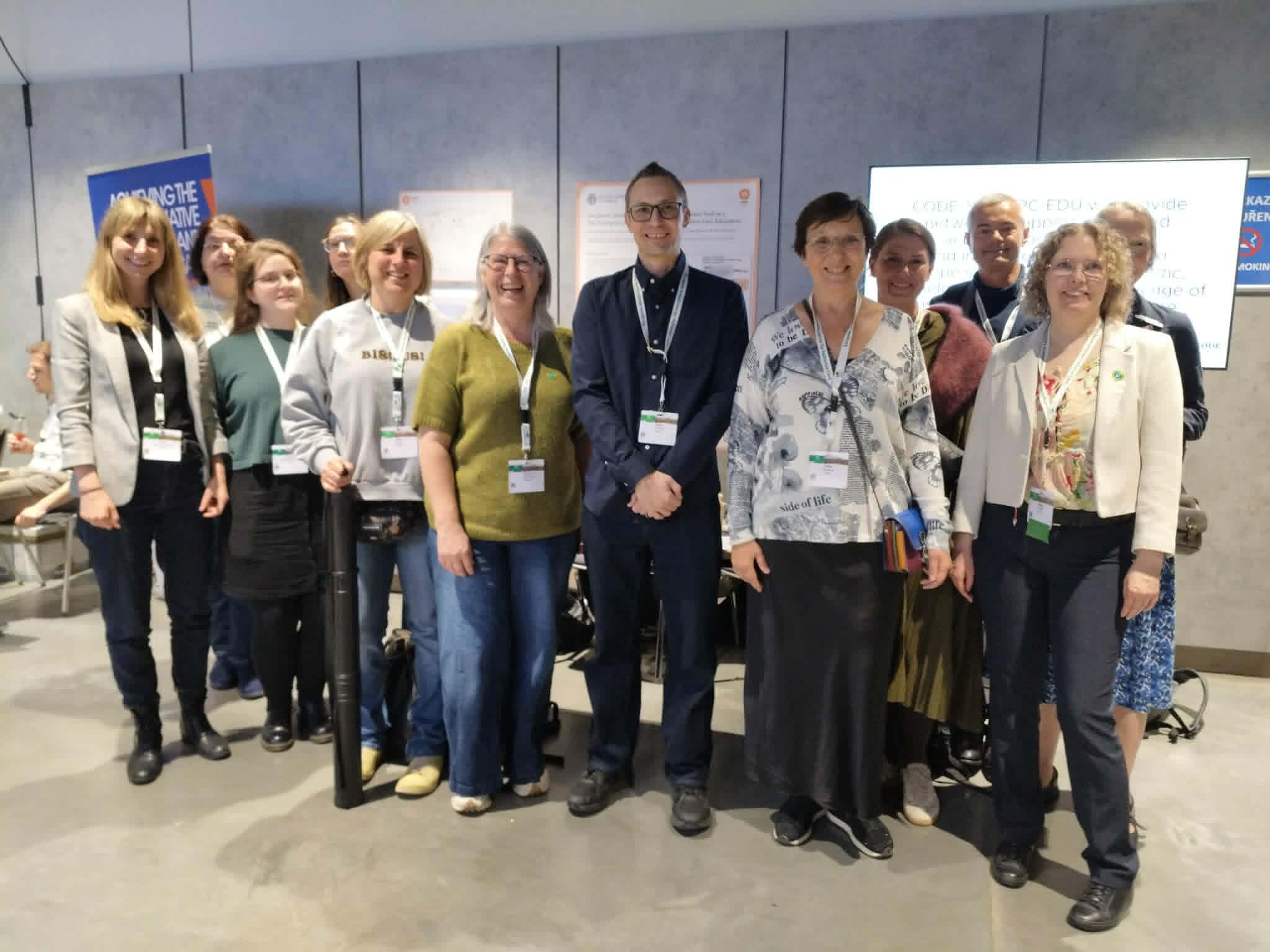
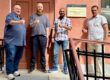
The CODE-YAA@PC-EDU booth served as an active meeting point throughout the congress. Twelve project members contributed to staffing the booth and engaging with visitors: Stephen Mason, Fiona Rawlinson, Marlene Werner, Miina-Liisa Flinkkilä, Cornelia Brandstötter-Gugg, Jan Kanák, Frank Elsner, Vilma Tripodoro, Sabina Antoniu, Phil Larkin, Minna Hökkä, and Monica Fliedner.
Many congress participants expressed interest in the project and asked to receive further information about opportunities to cooperate with the CODE-YAA@PC-EDU group. A presentation featuring photos from previous events and key information about the project, prepared by Abdullah Bedir Kaya, was displayed on a screen at the booth and helped introduce the Action’s aims, activities, and achievements to a wider international audience.
On 15 May, a special CODE-YAA@PC-EDU get-together was held during lunchtime. The gathering brought together Action members attending the congress and welcomed many interested visitors to the booth for further networking, exchange, and future collaboration opportunities.
The participation of CODE-YAA@PC-EDU in the 20th EAPC World Congress strengthened the project’s visibility within the international palliative care community and created valuable opportunities for dissemination, collaboration, and stakeholder engagement. Through presentations, posters, discussions, and booth activities, the Action continued to promote its mission of advancing palliative care education across Europe and beyond.